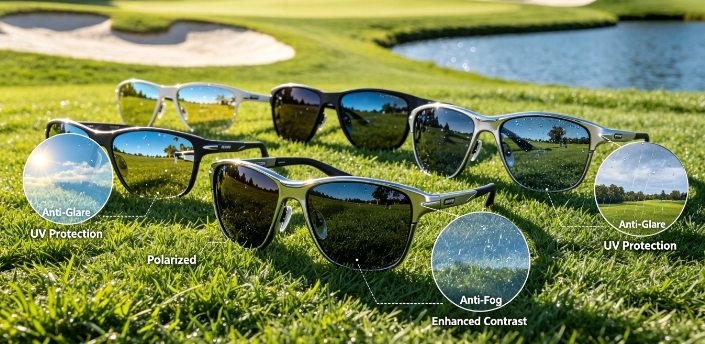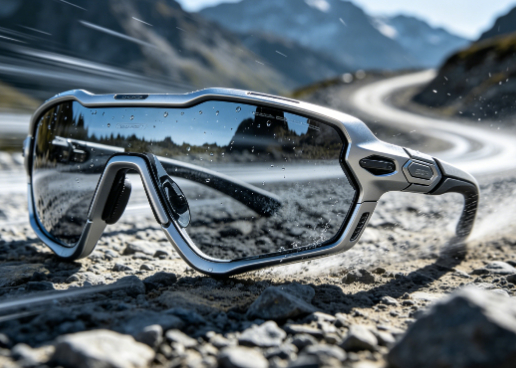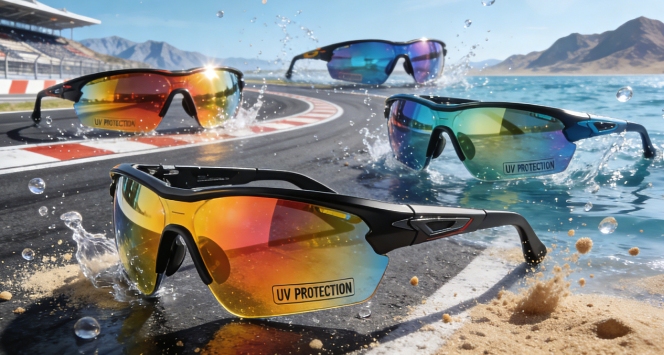
In sports sunglasses manufacturing, frame design is more than a matter of style. It directly affects comfort, durability, performance, and safety. A well-designed frame ensures the sunglasses fit securely, distribute weight evenly, and withstand the stresses of outdoor activities. From material choice to shape and ergonomics, frame design is central to producing high-quality sports eyewear that meets both professional and recreational needs.

I. Materials and Flexibility in Sports Sunglasses Frames
- Temperature-Resistant and Flexible Materials
Another innovation in sports sunglasses manufacturing is the use of materials that maintain their shape and flexibility under extreme temperatures. Unlike standard TR90 frames, which may soften slightly above 70°C, these advanced polymers remain stable from -25°C to 85°C, ensuring a secure fit and consistent performance for winter sports, desert running, or high-altitude cycling.
- Environmentally Conscious Choices
Sustainability is also influencing frame material selection. Some manufacturers are incorporating recycled plastics and plant-derived polymers without sacrificing durability or flexibility. These eco-friendly materials reduce production carbon emissions by up to 25% while still delivering professional-grade performance.
II. Ergonomics and Fit in Sports Sunglasses Frame
- Nose Pads and Temple Design
Ergonomic frame design includes adjustable nose pads and curved temples to improve stability. In professional sports sunglasses manufacturing, nose pads are often made of soft rubber or silicone to prevent slipping, while temples are contoured to follow the natural curve of the head. This design minimizes movement during running, cycling, or skiing.
- Custom Fit Solutions
Modern frame design increasingly integrates 3D scanning and printing to create custom-fit frames. This personalization ensures even pressure distribution across the face, reducing fatigue during long-term use. Custom-fit frames can improve comfort by up to 30% compared to standard frames, according to user studies.
III. Aerodynamics and Performance
- Streamlined Shapes
Aerodynamic frame design is a growing focus in sports sunglasses manufacturing. Curved frames reduce air resistance and help maintain stability during high-speed activities. Cyclists and runners benefit from frames that channel airflow around the lenses, preventing wind-induced discomfort or lens fogging.
- Ventilation Features
Some frames incorporate small vents along the top and sides to improve airflow. These features reduce fogging by up to 40% and maintain clear vision, which is crucial for performance and safety in extreme weather or high-intensity sports.
IV. Durability and Environmental Resistance
- Heat and UV Stability
Frames in sports sunglasses manufacturing must withstand environmental stress. High-quality TR90 or Grilamid frames remain stable under temperatures ranging from -20°C to 80°C without warping or cracking. UV-resistant coatings on frames prevent discoloration and material degradation caused by prolonged sun exposure.
- Chemical and Sweat Resistance
Athletes frequently encounter sweat, sunscreen, and water, which can damage inferior frames. Durable materials resist chemical exposure, ensuring that frames maintain their shape, color, and performance over time.
V. Aesthetic and Brand Identity
- Design Meets Style
Frame design also communicates brand identity and style. In sports sunglasses manufacturing, manufacturers carefully balance aesthetics with functionality. Sleek designs, color accents, and logo placement not only appeal to consumers but also reflect technical sophistication.
- Modular and Interchangeable Frames
Some brands now use modular frames that allow lenses or temples to be swapped easily. This versatility is a growing trend in sports sunglasses manufacturing, giving users the option to customize their eyewear for different sports or lighting conditions.
Conclusion
Frame design plays a pivotal role in sports sunglasses manufacturing, affecting everything from comfort and fit to durability and performance. By combining lightweight materials, ergonomic shaping, aerodynamic features, and innovative coatings, manufacturers can produce sunglasses that meet the demands of athletes while maintaining style and safety. Whether through advanced composites, custom-fit technologies, or modular designs, the frame is no longer just a supporting structure—it is central to the functionality and success of modern sports sunglasses.
0