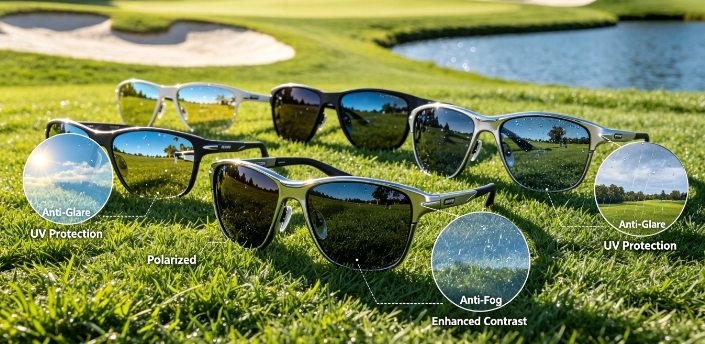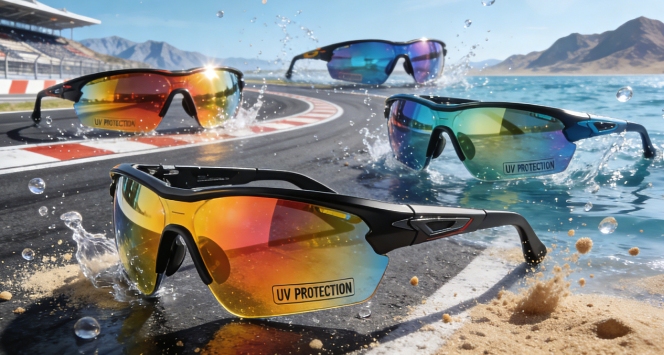
In modern sports such as cycling, running, skiing, hiking, and outdoor training, durability is one of the most important factors when choosing eyewear. Sport sunglasses are not only designed to improve vision but also to withstand physical stress, environmental exposure, and repeated use in demanding conditions. Unlike regular sunglasses, they must remain stable and functional during fast movement, impact, and long-term outdoor wear. This is why durability-focused design has become a core priority in modern eyewear engineering. Many high-performance models developed by a sports sunglasses manufacturer are built specifically to enhance structural strength while maintaining lightweight comfort.
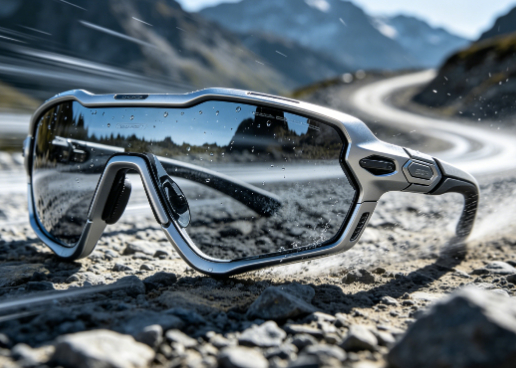
Impact-Resistant Lens Materials for Maximum Protection
One of the most critical durability features in sports sunglasses is the use of impact-resistant lens materials.
- Polycarbonate lenses are widely used because they are significantly stronger than standard plastic lenses and can withstand sudden impacts from debris, stones, or accidental drops.
- These lenses are designed to resist shattering, reducing the risk of eye injury during high-speed or high-risk sports activities.
- Advanced lens coatings further enhance resistance to scratches, ensuring long-term clarity even after repeated outdoor use.
This combination of strength and clarity makes impact-resistant lenses essential for durable sport eyewear.
Flexible Frame Construction for Stress Resistance
Frame design plays a major role in determining how well sports sunglasses withstand physical stress during movement.
- Flexible materials such as TR90 and advanced nylon composites allow frames to bend without breaking, absorbing pressure during falls or collisions.
- This flexibility helps the sunglasses maintain their shape even after repeated twisting or compression inside sports bags or helmets.
- Reinforced hinge systems prevent loosening over time, ensuring long-term structural stability during frequent use.
- Many premium designs from a sports sunglasses manufacturer incorporate memory-based frame materials that return to their original shape after deformation.
These features significantly extend the lifespan of sport sunglasses in demanding environments.
Protective Lens Coatings for Environmental Durability
Outdoor sports expose sunglasses to a wide range of environmental conditions that can affect durability and performance.
- Anti-scratch coatings protect lenses from dust, sand, and accidental surface contact during outdoor activities.
- UV-resistant layers prevent long-term sun damage, ensuring lens clarity and structural integrity under strong sunlight exposure.
- Hydrophobic coatings help repel water, sweat, and rain, maintaining clear vision in wet conditions and reducing lens degradation.
- Oleophobic coatings prevent oil and fingerprint buildup, keeping lenses cleaner for longer periods of use.
These protective layers ensure that sports sunglasses remain functional and visually clear in all environments.
Secure Fit Systems That Reduce Wear and Tear
A stable fit is essential not only for performance but also for reducing unnecessary mechanical stress on the sunglasses.
- Anti-slip nose pads and temple grips prevent constant sliding, which reduces friction-related wear on the frame.
- Wraparound designs distribute pressure evenly across the face, minimizing stress points that could lead to frame weakening.
- Adjustable components allow customization of fit, preventing excessive bending or forced adjustments during use.
- High-quality models engineered by a sports sunglasses manufacturer often include reinforced contact points designed to handle repeated motion and vibration.
A secure fit system ensures both comfort and long-term structural durability.
Reinforced Structural Design for High-Intensity Use
Durability in sports sunglasses is also achieved through overall structural reinforcement and intelligent engineering.
- Double-injection molding techniques strengthen key frame areas without adding unnecessary weight.
- Integrated frame-lens systems reduce weak connection points, lowering the risk of separation during impact.
- Shock-absorbing structures help distribute force evenly across the frame during sudden collisions or drops.
- Precision engineering ensures that all components work together to maintain stability under high-intensity sports conditions.
These design enhancements make sport sunglasses suitable for professional and extreme sports use.
Conclusion
The durability of sport sunglasses depends on a combination of advanced lens materials, flexible yet strong frame construction, protective coatings, secure fit systems, and reinforced structural design. Each feature plays a crucial role in ensuring that the eyewear can withstand impact, environmental stress, and long-term use in demanding sports conditions. With continuous innovation in materials and engineering, modern sport sunglasses—especially those developed by a sport sunglasses manufacturer—are built to deliver long-lasting performance, safety, and reliability for athletes across all levels of sport.
0