When designing an electronic device, one of the most important choices you’ll make is selecting the right tft display module. This small but powerful component is what brings your device to life, showing colors, movement, and information clearly. From smart home panels to car dashboards and handheld devices, a well-chosen tft display module can make a big difference in how users experience your product.
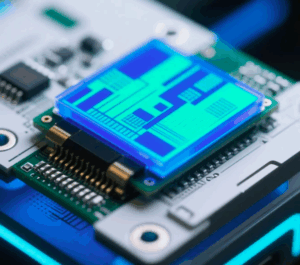
1. Why Choosing the Right TFT Display Module Matters
- The Heart of Every Screen
A tft display module (Thin Film Transistor display module) works by controlling each pixel individually, allowing bright, colorful, and fast-moving images. It’s used in many products—phones, cameras, industrial machines, and even medical equipment. The display is the main way users interact with a device, so its quality directly affects satisfaction and usability.
- The Impact of a Wrong Choice
If the wrong tft display module is selected, the screen might be too dim, the colors might look faded, or it might not respond quickly enough. These problems can make a product feel outdated or hard to use. Choosing carefully ensures the device looks modern, performs smoothly, and lasts longer.
2. Key Factors to Consider When Selecting a TFT Display Module
- Size and Resolution
Start with the screen size your device needs. A small tft display module (around 2 to 4 inches) is ideal for portable devices, while larger modules (7 inches or more) fit control panels or dashboards.
Resolution is also important—the higher it is, the sharper the image. For example, 800×480 is common for mid-range displays, while full HD provides crystal-clear visuals for advanced devices.
- Brightness and Visibility
If your product will be used outdoors, make sure the tft display module offers strong brightness and a wide viewing angle. Brightness above 400 nits helps users read the screen even under sunlight. Indoor devices can use lower brightness levels, saving energy without losing clarity.
- Interface and Compatibility
Different tft display modules use different connection types—like SPI, RGB, or MIPI. Choose one that matches your main board or processor. This ensures smooth communication and reduces design complexity.
3. Practical Considerations for Real-Life Use
- Environment and Durability
The operating environment is key. If the display is for a factory or outdoor equipment, choose a tft display module that can handle wide temperature ranges and resist dust or moisture. Some modules are specially made to stay stable between -20°C and 70°C, perfect for harsh conditions.
- Touch and Protection Options
Many tft display modules now include touch functions. Resistive touchscreens work well with gloves, while capacitive ones support multi-touch gestures and smoother operation. Adding a protective glass or anti-glare coating helps prevent scratches and makes the screen easier to read.
4. Customization and Future Trends in TFT Display Modules
- Custom Solutions for Unique Needs
Some manufacturers offer custom tft display modules to match brand or design requirements. You can choose special shapes, colors, or even unique touch responses. Customization helps products stand out and improve the overall user experience.
- Technology is Getting Smarter
Modern tft display modules are thinner, lighter, and more energy-efficient than ever before. With better color performance and faster response times, they bring higher clarity and smoother images—making even small devices look premium.
5. Conclusion
Choosing the right tft display module doesn’t have to be complicated. Focus on what your device truly needs—size, brightness, durability, and compatibility—and pick a display that meets those goals. A good display not only shows information but also reflects the quality and care behind your product.
As display technology continues to evolve, tft display modules will keep leading the way—helping designers and engineers create smarter, brighter, and more beautiful devices that connect seamlessly with users.
0