When it comes to purchasing armoured fibre optic cables, there are several critical factors to consider to ensure you’re making the right choice. These cables are used in environments where additional protection is needed, making them more durable than standard fibre optic cables. They are designed to withstand physical stresses such as crushing, tension, and impact. Making them suitable for outdoor, industrial, or underground applications. Below are the key factors to consider when buying armoured fibre optic cables.
1. Purpose and Application
Before making a purchase, it’s essential to understand the specific needs of your project. Armoured fibre optic cable comes in different varieties, and the type you choose should align with the intended application. For example, if the cable will be used in an industrial or outdoor setting, a more robust armouring material. Such as steel or aluminium, may be required to protect the cable from mechanical damage. On the other hand, for more delicate environments, you might opt for cables with lighter armouring, like polymer or aramid.
2. Type of Armour
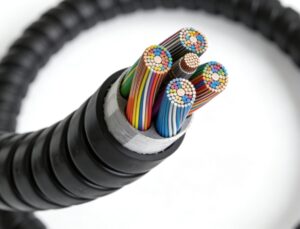
The type of armour used in the fibre optic cable plays a significant role in its durability and flexibility. There are several different armour types, including:
- Steel Wire Armour (SWA): Known for its high tensile strength and impact resistance, steel wire armour is ideal for environments that demand robust protection against physical damage.
- Aluminium Wire Armour (AWA): Lighter than steel, aluminium wire armour offers a good balance of protection and flexibility. It is suitable for applications where weight is a concern, but protection is still needed.
- Polymer Coating Armour: In some cases, a polymer or aramid-based protective layer might be used to offer protection without adding much weight. These are often used for more lightweight installations.
3. Cable Size and Strength
The size and strength of the armoured fibre optic cable are essential considerations based on the location where it will be installed. For instance, cables that are going to be buried underground need to have enough strength to resist crushing and potential damage from external forces.
The cable’s outer diameter will also impact its flexibility and ease of installation. Larger cables with thicker armour may be more challenging to work with, whereas smaller, more flexible cables are easier to install in tight spaces but may offer less protection.
4. Environmental Resistance
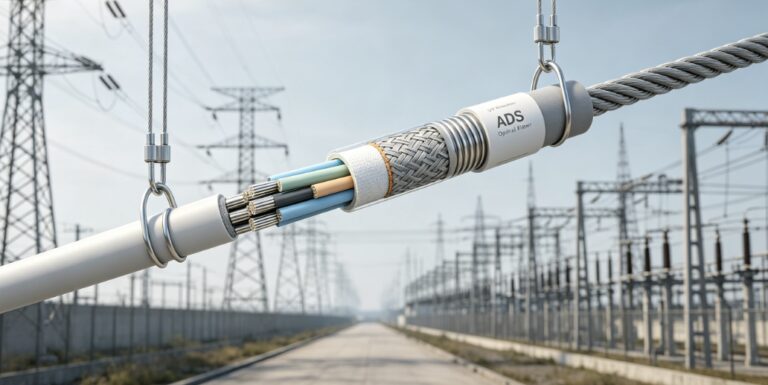
Armoured fibre optic cable is designed to withstand harsh conditions. Depending on your installation site, consider factors such as temperature range, moisture levels, and chemical exposure. Cables designed for outdoor use typically have UV-resistant coatings to protect them from sun damage, while those for underground installation must be moisture- and corrosion-resistant.
- UV Resistance: Essential for cables exposed to sunlight, UV resistance helps prolong the lifespan of the cable by preventing degradation caused by ultraviolet rays.
- Water and Moisture Resistance: For cables used in outdoor or underground installations, ensuring the cable is resistant to water ingress is vital to prevent potential damage.
- Corrosion Resistance: In environments with high humidity or exposure to corrosive substances, corrosion-resistant armouring like galvanised steel or copper is crucial.
5. Fibre Type: Single Mode vs. Multi-Mode
The type of fibre optic cable you need depends on the type of data transmission you require.
- Single Mode Fibre: Designed for long-distance communication with a higher transmission capacity, single-mode fibre is ideal for networks that require high-speed internet and minimal signal loss over long distances.
- Multi-Mode Fibre: Suitable for shorter distances, multi-mode fibre supports a wider range of light signals and is typically used for networking within buildings or local area networks (LANs).
6. Consider Standards and Budget as well as Brand and Installation Ease
- Standards and Certifications: Ensure that the armoured fibre optic cables you choose meet relevant industry standards and certifications. Look for certifications like ISO, RoHS, and UL. These certifications guarantee that the cables have passed rigorous safety and performance testing, ensuring quality and reliability.
- Budget: While quality is essential, it’s also important to consider your budget. Armoured fibre optic cables can vary significantly in price based on materials, type of armour, and fibre type. Balance your project’s needs with the available budget to make an informed decision without compromising on performance.
- Brand Reputation: Opt for cables from trusted manufacturers with a strong reputation for durability and quality. Reliable brands often offer better long-term performance, and reading customer reviews or seeking recommendations can help guide you to a dependable product.
- Installation and Maintenance: Some armoured cables may be heavier or more rigid, which can complicate installation. Choosing a cable that is both durable and easy to install and maintain will save time and reduce future maintenance costs.
Conclusion
When purchasing armoured fibre optic cables, it’s vital to consider factors such as the type of armour, fibre type, environmental resistance, and the specific needs of your installation site. By thoroughly evaluating these aspects, you can ensure you choose the right cable that offers optimal performance, durability, and long-term value. Always prioritise quality, but balance it with your project’s specific requirements and budget to get the best possible outcome.
0