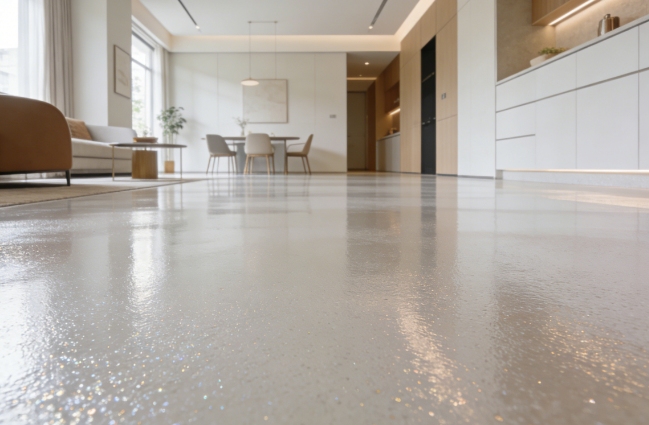
Decorative epoxy flooring has gained popularity in homes, offices, and commercial spaces due to its durability, customizable appearance, and ease of maintenance. Unlike traditional flooring, decorative epoxy offers a wide range of colors, textures, and patterns, making it both functional and visually appealing. However, many property owners are concerned about the costs of installing decorative epoxy flooring. By understanding the key cost factors, you can plan your budget more effectively and ensure a high-quality installation.
1. Material Quality and Type
- Epoxy Resin Quality: The quality of the epoxy resin is a major determinant of the cost when installing decorative epoxy flooring. High-grade resins resist chemicals, UV fading, and scratches, making them suitable for commercial or high-traffic areas. Lower-quality resins may initially save money but are prone to yellowing, cracking, or peeling, which can compromise the overall look of your decorative epoxy flooring.
- Decorative Additives: Adding metallic pigments, decorative flakes, quartz, or other materials enhances the visual appeal of decorative epoxy flooring but increases material costs. For example, metallic epoxy with a 3D effect can cost 30–50% more than a standard solid-color epoxy. The more elaborate the decorative effect, the higher the overall cost of decorative epoxy flooring installation.
- Primer and Topcoat Layers: Proper primers ensure strong adhesion to the substrate, while protective topcoats provide resistance to wear, stains, and moisture. Using high-quality primers and topcoats is essential for maintaining the durability and shine of decorative epoxy flooring over time. Skipping or using low-quality layers can reduce upfront costs but lead to expensive repairs later.
2. Surface Preparation
- Cleaning and Repair: Before applying decorative epoxy flooring, any dirt, grease, or previous coatings must be removed. Cracks and uneven surfaces need patching to prevent uneven finishes or bubbling. This preparation step ensures that your decorative epoxy flooring achieves a smooth and long-lasting surface, though it adds to labor and material costs.
- Grinding or Shot Blasting: For optimal adhesion of decorative epoxy flooring, especially on concrete floors, grinding or shot blasting is required to create a textured surface. Large areas or heavily worn concrete may require multiple passes, increasing both labor time and equipment rental costs. Proper surface preparation is critical to the success and longevity of decorative epoxy flooring.
- Moisture Testing and Mitigation: Excess moisture in the concrete can cause decorative epoxy flooring to delaminate. Moisture testing and installation of vapor barriers may be necessary, which adds to installation costs but ensures long-term durability and prevents costly repairs on decorative epoxy flooring in the future.
3. Labor and Installation Complexity
- Professional Expertise: Installing decorative epoxy flooring is not a simple DIY project. Experienced installers ensure even coats, proper curing, and flawless finishes, reducing the likelihood of defects that require costly repairs.
- Design Complexity: Simple single-color floors take less time to install, while multi-layer designs, custom logos, or intricate patterns require more time, precision, and skill. Labor costs increase proportionally with design complexity.
- Project Size: Large areas require more materials and a longer installation time. Smaller areas may seem cheaper overall, but the cost per square meter can be higher due to minimum service charges from contractors.
4. Location and Accessibility
- Regional Pricing Differences: Labor and material costs vary by location. Urban areas often have higher labor rates and material markups, whereas rural areas may offer lower costs but limited installer availability.
- Accessibility Challenges: Floors in tight spaces, multi-story buildings, or areas with difficult access require more effort and equipment for installation, increasing both labor and logistical costs.
- Environmental Factors: Temperature, humidity, and ventilation affect curing time. Some installations may require additional climate control equipment to ensure proper curing, which can impact the budget.
5. Maintenance and Longevity Considerations
- Protective Coatings: While higher-quality topcoats increase upfront costs, they protect against scratches, stains, and chemical spills, extending the lifespan of decorative epoxy flooring.
- Traffic and Usage: High-traffic areas like retail stores or warehouses may require thicker epoxy layers or specialized formulations, increasing material costs but preventing premature wear.
- Warranty and Service Packages: Some contractors offer maintenance plans or extended warranties that include inspections and minor repairs. Although these add to the initial cost, they provide long-term peace of mind and reduce overall maintenance expenses.
Conclusion
Installing decorative epoxy flooring involves multiple cost factors, including material quality, surface preparation, labor expertise, location, and long-term maintenance considerations. By carefully evaluating each factor, you can make informed decisions that balance visual appeal, durability, and budget. Investing in high-quality materials and professional installation ensures your decorative epoxy flooring remains attractive and functional for years, providing both aesthetic value and practical benefits. Ultimately, understanding these cost drivers allows you to plan your project efficiently and avoid unexpected expenses.
0