
Traffic lights are one of the key components of roads in the contemporary world; they help regulate the movement of drivers and organize vehicle flows. The higher the traffic density is, and the more signals are installed by transportation bodies, the more critical the performance of every single signal indication. Incandescent lamps were traditionally installed in traffic lights; however, LEDs became an alternative solution as well, as they save on energy and make maintenance easier.
The LED Vehicle Traffic Light is equipped with light-emitting diodes instead of a traditional filament lamp that generates red, yellow, or green light indications. This system differs not only in the process of generating light but also in the strategy of management and maintenance by transportation organizations.

What Is an LED Vehicle Traffic Signal?
How LED Technology Works in Traffic Signals
The LED Vehicle Traffic Signal consists of light-emitting diodes that create the light indication for traffic purposes. Passing electric current through semiconductor materials makes the LEDs glow, and not using the process of heating a filament makes the LED more energy-efficient. Several LEDs can be mounted behind a lens to provide the needed brightness and light direction, and lenses, reflectors, and visors can direct the light at the driver of the approaching vehicle.
The difference between the LED signal and the incandescent one is the way of producing light, as in the incandescent signal the electric current makes the filament hot. Being based on the semiconductor process, the LED signal allows avoiding energy dissipation in the form of heat in normal use. The usual traffic signal consists of three sections for red, yellow, and green indications, although there can be four- and five-section traffic signals.
Why LED Technology Is Used in Modern Vehicle Traffic Signals
The growing use of LEDs is closely related to lifecycle management. As an example, a current vehicle traffic light might run for hours per day, which means that even a fairly modest decrease in electricity usage could mean something substantial for thousands of intersections.
Also, the LED solution will affect maintenance planning, as it is possible to implement a different approach instead of frequently changing filaments. According to the FHWA, lifecycle planning should be used for traffic lights since it allows avoiding any failures of the equipment.
What Are the Main Benefits of LED Vehicle Traffic Signals?
Reduce Energy Consumption
One of the most measurable advantages of an LED Vehicle Traffic Signal is its potential to reduce electricity consumption. LED indications generally require less power than conventional incandescent lamps while providing the light needed for traffic control. This difference becomes more significant across large installations, as a road authority managing 500 intersections may operate thousands of individual signal indications throughout the year.
A historical FHWA signal asset-management analysis estimated annual electricity costs of about $117 for a conventional signal compared with $11 for an LED signal under its stated assumptions. These values take into account the prices and conditions of energy assumed during the calculations, not the real universal costs, but they show the possibility of achieving significant lifecycle energy savings. The final values will depend on the technical characteristics of signals, their operating hours, electricity prices, and specific conditions.
Extend Service Life and Reduce Replacements
The service life of the light source is another important consideration. Incandescent lamps include a physical filament that could break down and need replacement, and LEDs contain solid-state devices without any filaments. In the case of the Vehicle Traffic Signal, fewer changes to the light source will decrease part consumption and visits for maintenance purposes. This is especially useful when signal heads are mounted several meters above the roadway and require specialized equipment or temporary traffic control for access.
FHWA’s historical asset-management analysis used a mean time between failures of approximately one year for conventional bulbs and five years for LED bulbs under its stated assumptions. It may assist in minimizing replacements and planning maintenance better. Nevertheless, the lifespan of products is determined by the quality of goods, operating conditions, thermal management, and environmental conditions of installation, and therefore these figures could be considered as reference values.
Lower Maintenance Requirements
Lower maintenance demand is another practical benefit of LED technology. Each signal malfunction involves inspection, access, and replacement or repair, and at some high-volume sites, lane closure, traffic management, or special equipment will be required. LED modules minimize the need for replacement of lights, thereby allowing maintenance crews to pay attention to other components such as controllers, wires, detection devices, housing, and structure for mounting.
In this case, transportation organizations with extensive networks of Vehicle Traffic Signals will benefit from minimizing the number of visits for service visits. However, the use of LED technology does not eliminate the necessity of maintenance. It is necessary to inspect and service lenses, housings, wiring, controllers, and mounting structures for reliable operation.
Improve Signal Visibility and Conspicuity
The visibility of a signal is an important issue because drivers must recognize red, yellow, and green lights rapidly under various road conditions. An LED vehicle traffic signal provides more targeted light and better illumination. The size of the signal, the design of its lenses, the distance between the viewer and the light source, and its location all have significance here. Proper optical design is especially important at busy intersections and roads with long approach distances.
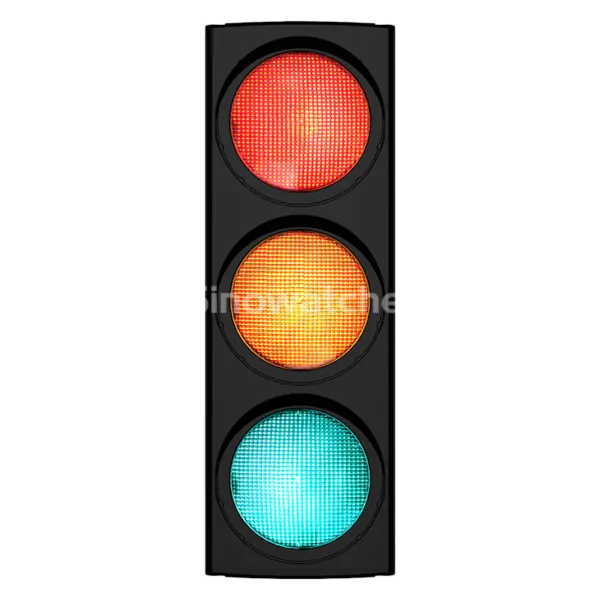
For road authorities and traffic infrastructure projects, maintaining clear visibility while ensuring reliable outdoor performance can be challenging. Sinowatcher’s 300mm Aluminum LED Traffic Signal is a practical choice for these applications, using a high-intensity SMD LED light source and optimized optical design for clear signal indications. Its 300 mm diameter and viewing distance of at least 300 m make it suitable for urban intersections, highways, and other traffic control projects.
- 300 mm signal diameter
- ≥300 m viewing distance
- High-intensity SMD LED light source
- Uniform light distribution with reduced glare
- IP65outdoor protection
- -40°C to +80°Cworking temperature
- Aluminum housing for durability and heat dissipation
Provide More Consistent Light Output
Another benefit of LED technology is the use of multiple light-emitting elements rather than a single incandescent filament. This design can provide more uniform illumination across the signal indication and reduce the impact of an individual LED element failing. It also supports stable light output during repeated and extended operating cycles.
The Vehicle Traffic Signal should have constant output to make it easier for drivers to recognize when the signal shows red, yellow, or green lights. This will be influenced by several elements, including LED quality, optical components, power source, heat dissipation, and environmental protection. Heat dissipation and light distribution may assist in achieving constant lighting in signals working for many hours in high-traffic areas.
Conclusion
LED technology offers several practical benefits for modern traffic signals, including lower energy consumption, longer service life, fewer replacements, and more consistent light output. These features can support reliable traffic signal operation while reducing routine maintenance needs in different road environments. Sinowatcher provides LED traffic signal products for urban intersections, highways, and intelligent transportation projects. If you have any questions about Vehicle Traffic Signal products or applications, feel free to contact us for more information.
0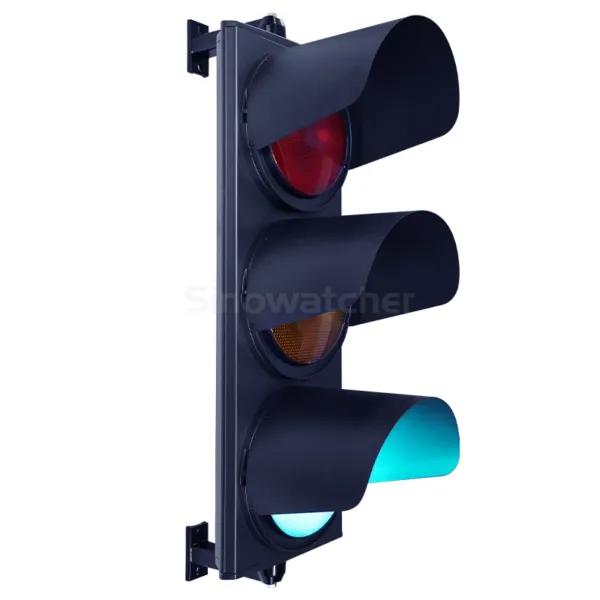


.webp)