In the dynamic world of industrial automation, the significance of robust and reliable computing hardware cannot be overstated. Among the various options available, fanless industrial PCs have gained significant momentum due to their unique set of advantages that are especially suitable for demanding industrial environments.
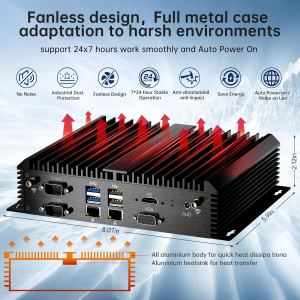
Traditional industrial PCs, which rely on fans for cooling, often face challenges such as dust accumulation and heat dissipation issues. This can lead to frequent breakdowns and increased maintenance requirements. However, fanless industrial PCs eliminate these issues by employing advanced thermal management techniques that do not rely on fans for cooling.
One of the key benefits of fanless industrial PCs is their enhanced reliability. The absence of fans means there are fewer components that can wear out or malfunction, resulting in a longer lifespan and reduced maintenance needs. This is crucial in industrial automation systems, where downtime can have significant financial and operational consequences.
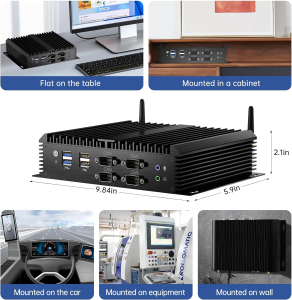
Moreover, fanless industrial PCs are designed to withstand harsh environments. They often feature ruggedized housings that can protect the internal components from vibrations, shocks, and other physical stresses. This makes them ideal for deployment in factory floors, warehouses, and other demanding industrial settings.
Another notable advantage is their superior performance. By utilizing high-efficiency processors and optimized cooling systems, fanless industrial PCs provide the necessary computing power to handle complex automation tasks without any lag or delay. This ensures the smooth and efficient operation of the entire industrial automation system.
In addition to reliability and performance, fanless industrial PCs are also energy-efficient. Since they do not require fans to operate, they consume less power, resulting in lower energy bills and a reduced carbon footprint. This is important for companies that are focused on sustainability and environmental responsibility.
As industrial automation continues to advance, the need for reliable and efficient computing hardware will increase. Fanless industrial PCs, with their unique advantages, are poised to play an even more crucial role in ensuring smooth and efficient operations in the future of industrial automation.
0