Before planting any tree or shrub, gardeners often want to know how much time and effort will be required to keep it healthy and visually appealing. Fortunately, the ligustrum tree is generally considered a low-maintenance plant compared to many other ornamental garden species. With proper sunlight, watering, pruning, and basic care, it can thrive for many years in residential landscapes while requiring relatively little attention.
Strong Adaptability Makes Daily Care Easier
One of the biggest reasons the ligustrum tree is considered easy to maintain is its strong environmental adaptability. It can grow successfully in a variety of conditions, making it suitable for many home gardens.
Key adaptability advantages include:
- Tolerance to different soil types
The plant can grow in sandy, loamy, or moderately clay-rich soil as long as drainage is adequate. - Flexible sunlight requirements
While full sunlight encourages denser growth, it can also tolerate partial shade without major problems. - Climate resilience
wide varieties handle seasonal temperature changes well, including moderate heat and light frost. - Urban environment suitability
The ligustrum tree can tolerate pollution, dust, and changing weather conditions commonly found in residential areas.
Because of this flexibility, homeowners usually do not need highly specialized gardening knowledge to grow it successfully.
Simple Watering and Fertilization Needs
Compared to more delicate ornamental plants, the ligustrum tree has relatively moderate watering and nutrient requirements, which simplifies routine garden maintenance.
Watering Requirements
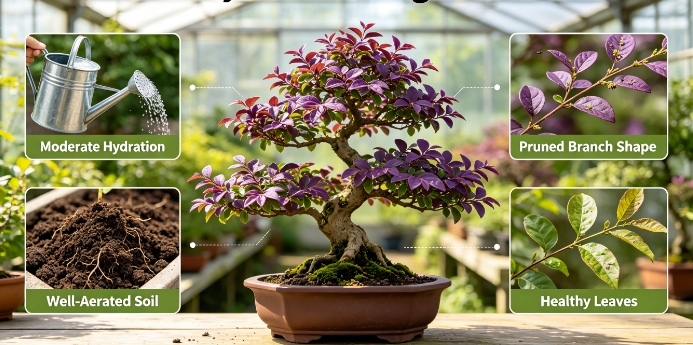
- Newly planted trees need regular watering during the establishment stage.
- Mature plants become more drought-tolerant and generally require less frequent irrigation.
- Overwatering should be avoided because excessively wet soil may damage the roots.
Fertilization Needs
- Light seasonal fertilization can support stronger foliage growth.
- Balanced fertilizers are usually sufficient without the need for specialized formulas.
- Organic compost can also improve soil quality and long-term plant health.
These manageable care requirements make the plant convenient for busy homeowners who want an attractive garden without constant maintenance work.
Pruning Helps Maintain Shape and Appearance
Although the ligustrum tree is easy to grow, regular pruning is important to keep it neat, healthy, and properly shaped. Fortunately, the plant responds very well to trimming.
Important pruning benefits include:
- Encouraging dense foliage growth
Trimming stimulates new branches and creates a fuller appearance. - Controlling size and spread
Because the plant grows quickly, pruning prevents it from becoming too large for small garden spaces. - Improving airflow
Removing overcrowded branches helps reduce moisture buildup and supports healthier growth. - Customizing landscape design
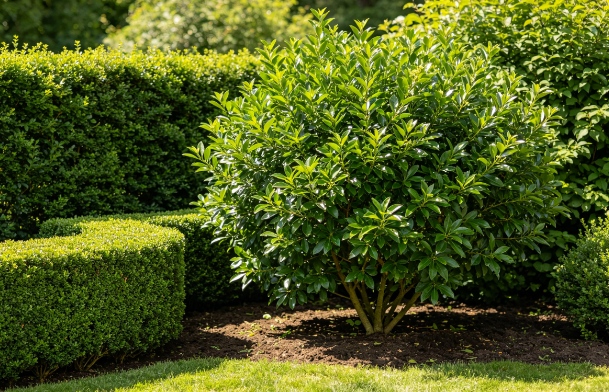
The tree can be shaped into formal hedges, rounded shrubs, or natural privacy screens, depending on garden style.
Most home gardeners find that occasional seasonal pruning is enough to maintain an attractive appearance.
Resistance to Common Garden Challenges
The ligustrum tree is also valued for its durability and resistance to many common gardening problems. While no plant is completely problem-free, this species is generally easier to manage than highly sensitive ornamentals.
Some resilience-related advantages include:
| Common Challenge | Ligustrum Tree Response |
| Temporary drought | Mature plants tolerate short dry periods |
| Moderate temperature fluctuations | Adapts well to changing seasonal conditions |
| Basic pest exposure | Usually remains healthy with routine monitoring |
| Frequent pruning | Recovers quickly and continues growing |
Although pests such as aphids or fungal issues may occasionally appear, these problems are usually manageable through standard garden care practices.
Long-Term Benefits for Home Landscapes
Beyond easy maintenance, the ligustrum tree provides several long-term advantages that make it highly practical for residential gardens.
Key long-term benefits include:
- Year-round greenery
Many varieties maintain attractive green foliage through most seasons. - Privacy enhancement
Dense growth creates natural barriers around outdoor living areas. - Property value improvement
Well-maintained landscaping can improve the visual appeal of a home. - Reduced need for replacement planting
Its durability and longevity lower long-term gardening costs.
Because it combines functionality with low maintenance, the ligustrum tree remains one of the most practical landscape plants for homeowners.
Conclusion
The ligustrum tree is widely considered an easy-to-maintain plant for home gardens due to its adaptability, simple care requirements, and strong growth performance. It thrives in different soil and climate conditions, requires only moderate watering and fertilization, and responds well to regular pruning. In addition to being durable and resilient, it offers long-term landscape benefits such as privacy, greenery, and aesthetic improvement. For homeowners seeking an attractive yet low-maintenance garden solution, the ligustrum tree remains a reliable and versatile choice that can provide beauty and function for many years.
0