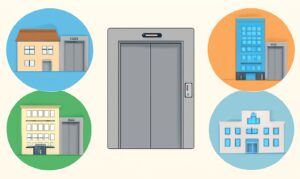
In modern urban construction, elevators have become a core component of high-rise buildings. With the acceleration of urbanisation and the diversification of architectural forms, the demands for elevator systems in different types of buildings have become increasingly complex. Whether for residential buildings, commercial offices, hotels, or specialised structures like hospitals. Each requires elevator solutions that are specifically tailored to their unique usage needs, traffic patterns, and building designs.
Why Do We Need Customised Elevator Solutions?
Each building has distinct differences in terms of function, traffic patterns, and user needs. As a result, a one-size-fits-all elevator solution is often insufficient for addressing these unique requirements.
The main benefits of customised elevator solutions include:
- Increased transportation efficiency: By strategically planning the number, speed, and scheduling of elevators. It ensures that elevators operate efficiently during peak hours and special scenarios.
- Optimised passenger experience: Smooth acceleration and deceleration, along with low noise operations, improve comfort for passengers. Smart landing control systems reduce waiting and stop times, making the journey more efficient and enjoyable.
- Reduced energy consumption and maintenance costs: Elevators can enter energy-saving modes based on actual usage, reducing energy consumption and extending the lifespan of the system. Remote monitoring and alert systems assist with timely maintenance, reducing the risk of malfunctions and maintenance costs.
- Enhanced building value: Efficient, comfortable, and intelligent elevator systems improve the overall user experience and market competitiveness of a building. A customised elevator solution can serve as a key selling point, increasing property value and user satisfaction.
How to Customise an Elevator Solution for Residential Buildings?
Residential buildings prioritise comfort, stability, and safety, with high traffic during peak times like mornings and evenings.
Key customisation points:
- Moderate speed and smooth operation: Residential elevators do not require high speeds but must operate smoothly and steadily. Smooth acceleration and deceleration reduce vibrations and enhance comfort, especially for elderly passengers, children, or those with limited mobility.
- Intelligent floor control to minimise unnecessary stops: The system can optimise stop patterns based on occupancy rates and passenger flow, reducing unnecessary stops and improving efficiency. This minimises waiting time for residents.
- Noise reduction for residential environments: Low-noise drive systems and soundproof elevator shafts ensure quiet operation, even at night, so as not to disturb residents. This helps enhance the overall residential experience.
- Night-time energy-saving mode to reduce power consumption: Elevators can automatically switch to energy-saving mode during off-peak hours to reduce unnecessary power consumption when not in use. Smart monitoring further reduces energy consumption and extends the lifespan of the elevator.
How to Plan Elevator Solutions for Office Buildings?
Office buildings prioritise speed and handling large volumes of traffic, especially during peak hours like early mornings and lunch breaks.
Key customisation points:
- High-speed elevators: High-speed elevators reduce travel time between floors. This helps alleviate congestion during peak hours, improving overall transportation efficiency and employee productivity.
- Smart group control system: The system adjusts the elevator allocation based on real-time traffic data, reducing unnecessary stops and empty trips, optimising energy use and improving transportation efficiency.
- Zoned elevator design (low, mid, high zones): Elevators are grouped into different zones serving specific floors, minimising cross-zone travel and increasing efficiency for passengers on high floors.
- Access control integration: Elevators can be integrated with the building’s access control system, allowing only authorised personnel to reach specific floors, enhancing security and improving the flow of passengers.
How to Customise Elevator Solution for Medical Buildings?
Hospitals require elevators with high standards of safety, speed, and accessibility.
Key customisation points:
- Patient elevators: These elevators must be sized to accommodate hospital beds, medical staff, and equipment, ensuring smooth emergency transport.
- Emergency priority call system: Hospital staff can call elevators with one button, automatically prioritising urgent cases to ensure quick transportation to the desired floor.
- Accessibility design: Elevator widths, button heights, and audio prompts must meet the needs of wheelchair users and accompanying persons, ensuring convenient and safe use for all patients.
- High stability and backup power: Elevators must have the ability to operate continuously, with backup power systems that ensure proper functioning even during power outages, preventing disruption to emergency services.
Conclusion
As building types and functional demands continue to diversify, elevators, as essential components of modern architecture, must be tailored to meet the unique needs of each building. An efficient, smart, comfortable, and safe elevator solution not only optimises vertical transportation within the building but also enhances the building’s overall quality and market competitiveness. Whether for residential, office buildings, hotels, or hospitals, customised elevator systems provide flexible, efficient, and convenient user experiences. Choosing a professional lift service company for customised design and installation ensures that the elevator system perfectly matches the building’s needs, optimising user experience and increasing the building’s overall value.
0