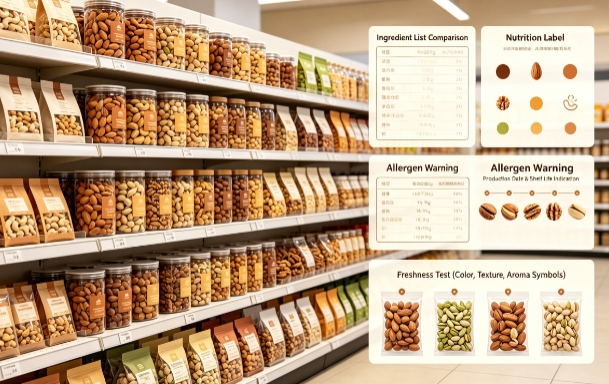
In recent years, nut snacks have become mainstream portable food, favored by consumers for rich nutrition, diverse flavors, and convenient carrying. As the demand for healthy and functional snacks rises, people not only care about the taste of nuts but also pay attention to product classification, allergen labels, scientific eating methods, and industry trends. This article will sort out the core knowledge of nut snacks from multiple professional dimensions, combining standard classification rules, allergen identification, nutritional characteristics, and eating norms, to help users comprehensively understand this popular snack category and avoid potential dietary risks.
Basic Classification and HS Code Rules of Nut-Based Snacks
1. Main Categories of Conventional Nuts
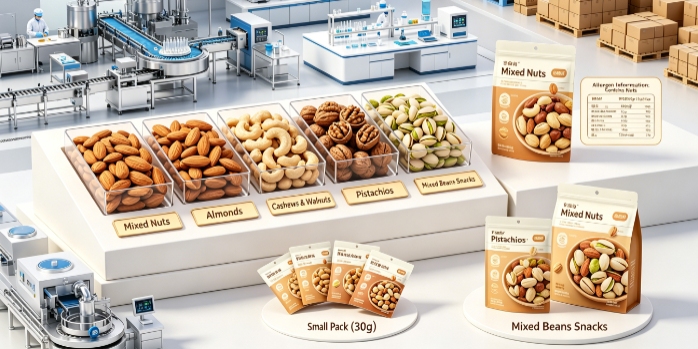
Nut snacks cover a wide range of products, which can be divided into single-nut products, mixed-nut products, and bean-nut combined snacks according to raw material collocation. Single nuts are made from a single raw material, such as pure chickpeas and chestnut kernels, which retain the original flavor of the ingredients and have simple production processes. Mixed nuts are the most popular type on the market, blending peanuts, almonds, cashews, and multiple other nuts to enrich taste and nutrition. Bean-nut combined nuts integrate broad beans, green beans, and soybeans with nuts or flour, forming crispy composite snacks with unique textures.
2. Standard HS Code Division for Nut Snacks
Different types of nut snacks correspond to fixed HS codes, which are an important standard for product classification. Products mainly made of chickpeas adopt the HS code 2005999100; mixed composite nut-based snacks, such as mixed nuts and mixed green bean shrimp sticks, uniformly use 2106909090; chestnut kernel products apply the exclusive HS code 2007991000. Distinguishing HS codes can help users quickly judge the product category of nuts, and it is also a basic reference for identifying product attributes.
Allergen Identification and Safety Reminders for Nut Snacks
Common Allergen Components in Nut Snacks:
Allergen identification is the top priority when choosing nut snacks, as many raw materials in nut snacks belong to high-risk allergens. Most mixed nut snacks contain peanut kernels, almonds, and cashews, which are common tree nut allergens. Some composite nut snacks add wheat flour, dairy products, egg products, and crustacean products, further increasing the risk of allergies. A small number of products also contain sunflower seeds and broad beans, which may cause adverse reactions in sensitive groups. A few pure chickpea nut snacks do not contain additional allergens and have higher food safety for ordinary people.
Practical Safety Rules for Allergic Groups:
For people with food allergies, checking allergen labels of nut snacks before eating is essential. It is necessary to carefully read the allergen description on the package and stay away from nut snacks containing sensitive ingredients. Cross-contact risk also needs attention: multiple nut snacks are produced in the same workshop, so even single-ingredient products may be contaminated by allergens. Allergic groups should avoid bulk nut snacks with unclear labels and choose products with complete allergen marks to ensure dietary safety.
Nutritional Characteristics and Scientific Consumption of Nut Snacks
Nutritional Advantages of Different Nuts
Nuts are recognized as high-nutrition portable foods, rich in plant protein, dietary fiber, unsaturated fatty acids, and various minerals. Almonds and cashews in mixed nut snacks can supplement vitamins and trace elements required by the human body; chickpea-based nut-based snacks are low in fat and high in dietary fiber, which helps to promote gastrointestinal peristalsis; chestnut kernel nut-based snacks contain a variety of carbohydrates and amino acids, providing lasting energy. Bean-containing nut-based snacks combine the nutrition of beans and nuts, realizing the complementary advantages of diverse ingredients.
Reasonable Intake Standards for Nut Snacks
Although nut-based snacks are nutritious, they are high in calories and fat, so excessive intake will cause physical discomfort. For adults, the daily intake of nut snacks should be controlled within 30 grams, about a small handful. Teenagers and children need to reduce their intake according to their age to avoid increasing the gastrointestinal burden. It is recommended to eat nuts as afternoon or morning tea snacks, not before going to bed, to prevent indigestion. Long-term excessive consumption of flavored nuts with high salt and sugar may also lead to excessive intake of condiments, so original-flavor nuts are more suitable for daily long-term consumption.
2026 Popular Trends of Nut Snacks
Diversified Flavor Innovation of Nuts
Flavor innovation is the core trend for nuts in 2026. Traditional single original flavors can no longer meet consumer demands, and global composite flavors such as barbecue and beef flavors are widely applied to nuts. Manufacturers focus on balancing delicious taste and health, launching low-salt and low-oil flavored nut-based snacks, abandoning excessive artificial seasonings, and adhering to clean-label production. This trend makes nut-based snacks have a rich taste and retain natural nutrition.
Rise of Portable Mixed Nut Snacks
Portable mixed nuts continue to gain popularity, catering to the fast-paced life of modern people. Independent small-packaged nut-based snacks are easy to carry and control intake, becoming the mainstream choice for office workers, students, and travelers. Consumers tend to buy mixed-nut snacks with diversified raw materials, hoping to obtain balanced nutrition through one kind of snack. Meanwhile, consumers pay more attention to raw material transparency, and nut-based snacks with clear ingredient lists and production information are more popular.
Conclusion
As a versatile portable food, nut-based snacks integrate taste, nutrition, and convenience, and their market popularity will continue to rise. Understanding the classification, HS codes, allergen labels, and eating norms of nut snacks can help everyone scientifically select and consume such products. With the continuous upgrading of consumer demands, nuts will develop towards healthier flavors, more diversified collocations, and safer production standards. Mastering the above professional knowledge can let everyone enjoy delicious nut-based snacks while effectively avoiding dietary risks and forming a healthy snacking habit.
0