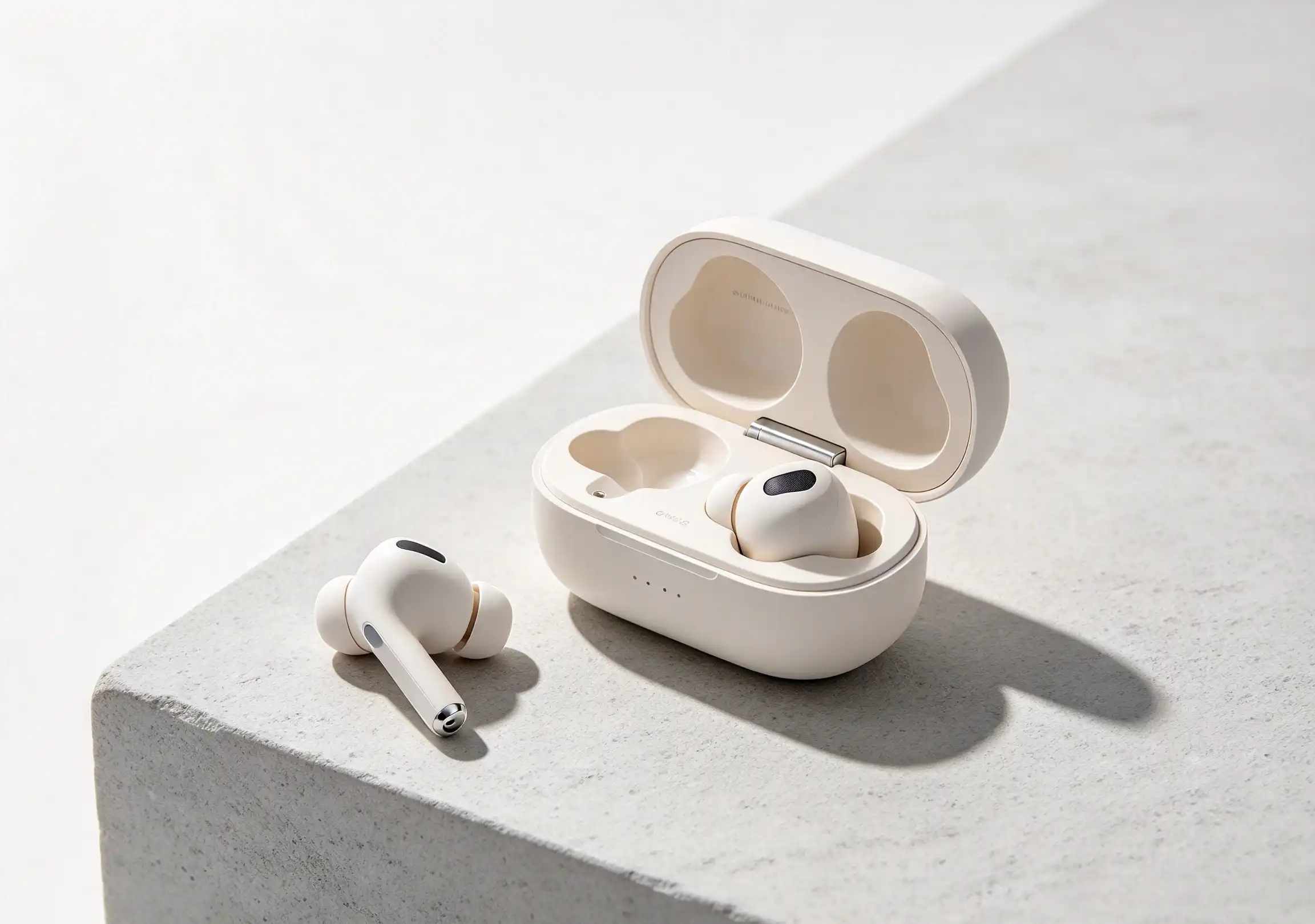
Modern wireless earbuds have become one of the most popular audio accessories in our lives. Thanks to the development of technologies like Bluetooth, noise cancellation, and various innovations, today’s wireless earbuds are not mere tools for listening to music anymore. They are widely appreciated by those who use them for web conferences, workouts, travel, or just leisure.
However, selecting the right earbuds may become very complicated because of huge variations in their parameters, including sound quality, battery life, comfort, and so on. Besides, a lot of buyers are focused only on the price or the brand of the earbuds and totally ignore the technical aspects.
One should select the right earbuds according to his/her requirements and habits. It is necessary to take into account such aspects as a usage case, audio performance, noise cancellation ability, battery life, and comfort before buying wireless earbuds.
1. Determine Your Usage Scenario First
Before making a comparison between various wireless earbuds, one must identify his/her purpose for buying them. The purposes vary, and different purposes will have different requirements; by defining these purposes, it is possible to eliminate unnecessary functionalities that you may end up paying for.
Wireless Earbuds for Daily Music and Entertainment
The most important aspects for people who primarily use headphones for listening to music or watching videos on the go are sound quality and comfort.
Key features to consider include:
- Balanced audio performance
- Stable Bluetooth connection
- Comfortable long-term wearing experience
A high-end device is not always needed in your day-to-day life. A properly calibrated pair of earbuds with good connectivity can give you enough pleasure.
Wireless Earbuds for Sports and Outdoor Activities
Athletes will have to be more concerned about how durable and wearable the device is. Earbuds that you wear while exercising must withstand sweat and vibrations.
The following are some of the most critical factors to consider:
- Water resistance rating
- Secure fit
- Lightweight design
Common protection ratings include:
| Rating | Suitable Usage |
| IPX4 | Daily workouts and sweat protection |
| IPX5-IPX6 | More intensive exercise and outdoor activities |
| IPX7 | Short-term water immersion protection |
When it comes to fitness fans and runners, fit and security are more essential than sophisticated sound functions, since buds that keep falling off can interfere with the whole experience.
Wireless Earbuds for Work and Calls
For remote workers and business users, microphone quality and call performance are essential.
Look for features such as:
- Multiple microphones
- Environmental noise reduction
- Stable wireless connection
Voice communication through a good business earbud must be clear despite the presence of background noise in the environment, such as an office.
2. Sound Quality: The Core Experience of Wireless Earbuds
Sound quality is a very crucial criterion to take into account when selecting wireless earbuds. Nevertheless, sound performance does not entirely depend on the cost of earbuds. It depends on aspects such as hardware components, technologies, and Bluetooth codecs used.
Driver Size and Audio Performance
The driver unit is responsible for producing sound and plays an important role in audio output.
Common driver sizes include:
- 6mm-10mm: Frequently used in compact wireless earbuds
- 10mm or larger: Usually provides stronger bass performance
However, a larger driver does not always mean better sound quality. Audio tuning, driver materials, and software optimization are also important.
When evaluating sound performance, consider:
- Bass depth and control
- Vocal clarity
- High-frequency detail
Bluetooth Codec Support
The Bluetooth codecs help transfer audio information from one device to another. There may be different types of codecs that influence audio quality and latency.
Common codecs include:
| Codec | Features |
| SBC | Basic compatibility with most devices |
| AAC | Commonly used by Apple devices with good audio quality |
| aptX | Lower latency and improved audio transmission |
| LDAC | Supports high-resolution audio transmission |
Music lovers need to pay attention to the type of codec used in their smartphone and earbuds.
3. Active Noise Cancellation and Transparency Mode
Active Noise Cancellation is another feature that has gained prominence in wireless earbuds nowadays, particularly in mid- to high-end models.
How Active Noise Cancellation Works
Active Noise Cancellation technology works by using built-in microphones to sense ambient sounds and create anti-noise sound waves.
It is especially useful in:
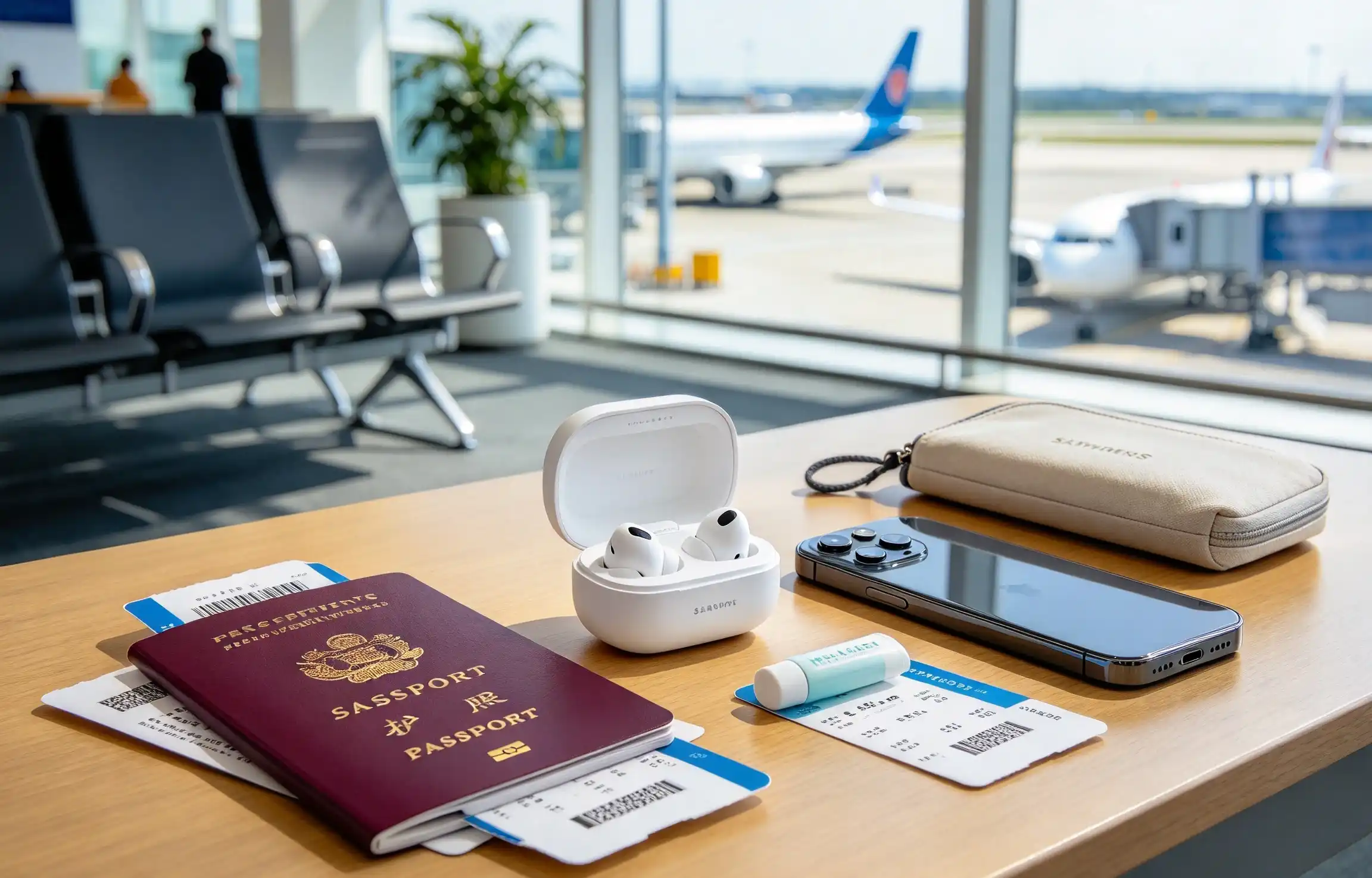
- Airplane travel
- Subway commuting
- Open office environments
Advanced earbuds can help filter out about 20- 40 dB of external noise, but their effectiveness is contingent on several factors.
Transparency Mode
The transparency setting enables sound from outside to come through even when using the earbuds. The feature does not isolate you from the environment but makes it easy for you to hear outside sounds.
This feature is useful when:
- Walking outdoors
- Waiting for transportation
- Having quick conversations
For safety and convenience, transparency mode provides a better balance between audio enjoyment and environmental awareness.
4. Battery Life and Charging Options
Battery performance directly affects the convenience of wireless earbuds, especially for users who wear them for several hours every day.
Earbud Battery Performance
Most modern wireless earbuds offer:
- Around 4-8 hours of playback on a single charge
- Approximately 20-40 hours of total battery life with the charging case
Actual battery performance depends on:
- Volume level
- Whether ANC is enabled
- Bluetooth version
- Usage environment
For frequent users, choosing earbuds with at least 6 hours of single-use battery life can provide a more comfortable experience.
Charging Methods
Today’s wireless earbuds commonly support:
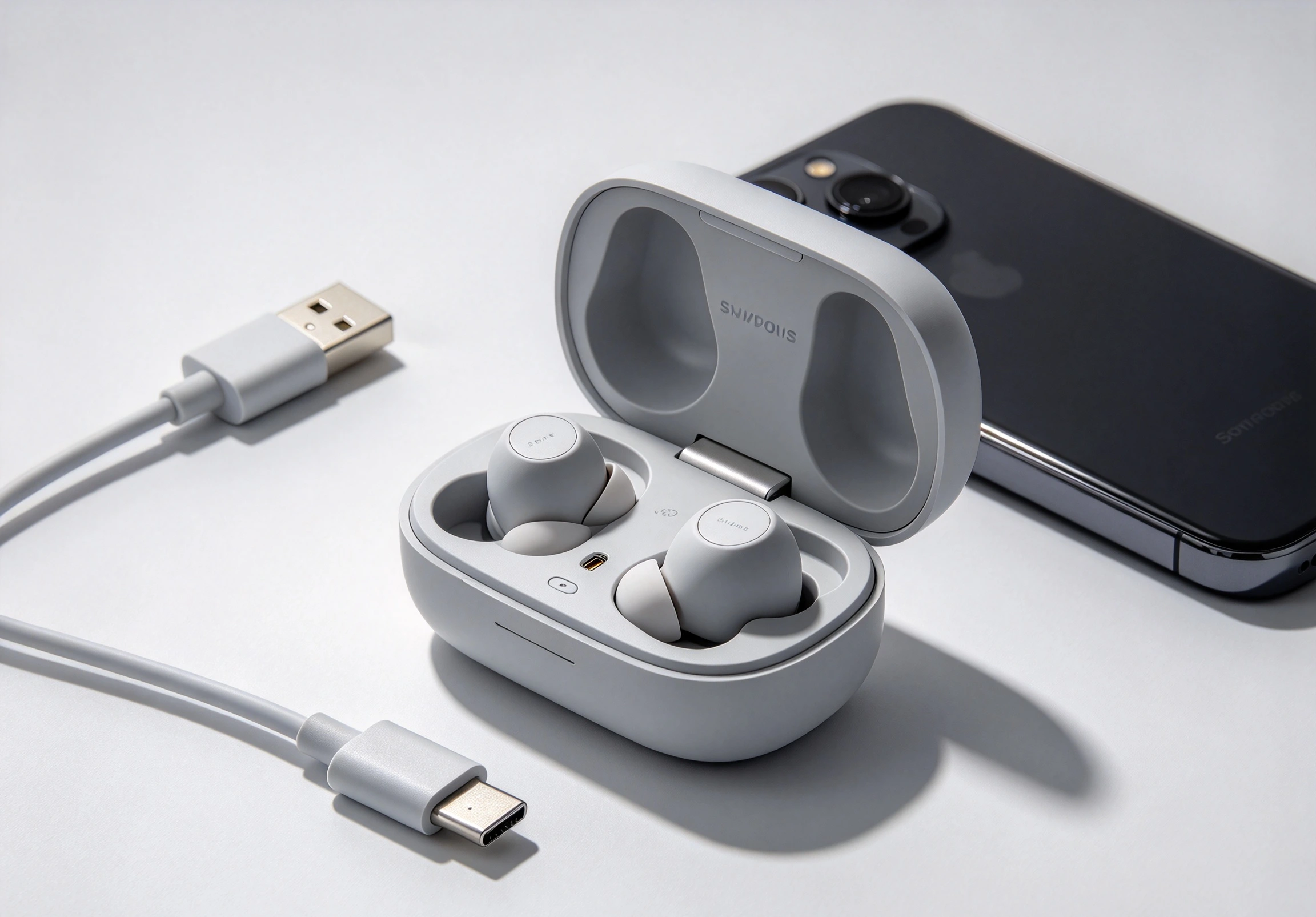
- USB-C fast charging
- Wireless charging
- Quick charging features
Some models can provide around 1-2 hours of playback after only 10 minutes of charging, which is especially useful for users who are often on the move.
5. Comfort, Fit, and Design
Even the best-designed earbuds might not make you happy if they do not feel comfortable. Because of this fact, one should remember that users spend a lot of time wearing their wireless earbuds.
Ear Fit and Wearing Comfort
Several factors influence wearing comfort:
- Earbud weight
- Ear tip size
- Ergonomic design
Generally:
- Earbuds weighing around 4-8 grams per side are more suitable for long-term use.
- Multiple ear tip sizes can improve fit.
- Ergonomic shapes can reduce pressure inside the ear.
Because everyone has different ear shapes, the most comfortable design varies from person to person.
Portability and Daily Convenience
One of the biggest advantages of wireless earbuds is their portability.
When choosing a model, consider:
- Charging case size
- Case durability
- Ease of carrying
A well-designed pair of wireless earbuds should provide a balance between sound quality, smart features, and everyday convenience.
Conclusion
The selection of appropriate wireless earbuds is determined by the consumer’s requirements rather than the choice of the most expensive product. Consumers have different demands for earbuds due to the nature of their activities and routines.
General consumers are interested in sound quality, battery life, and comfort; sports enthusiasts need to consider water resistance and fit, whereas professionals may prefer better microphones and performance of the connection. With an understanding of basic features like drivers, Bluetooth codecs, ANC technology, and battery capacity, the consumer can make a wise choice of earbuds.
0