In modern production lines, handling liquids efficiently and accurately is a top priority, particularly when products vary in thickness. For industries such as food, beverage, cosmetics, and pharmaceuticals, the wrong filling machine can lead to inconsistent portions, wasted materials, and production delays. Among available solutions, the volumetric piston filler has emerged as a preferred choice for thick and viscous liquids due to its precision, reliability, and adaptability. This article explores how volumetric piston fillers handle dense liquids, the benefits they offer, and why they are widely used across industries.
Understanding the Capabilities of Volumetric Piston Fillers
A volumetric piston filler operates on a simple but effective principle: a piston moves inside a cylinder to draw and dispense a precise volume of liquid.
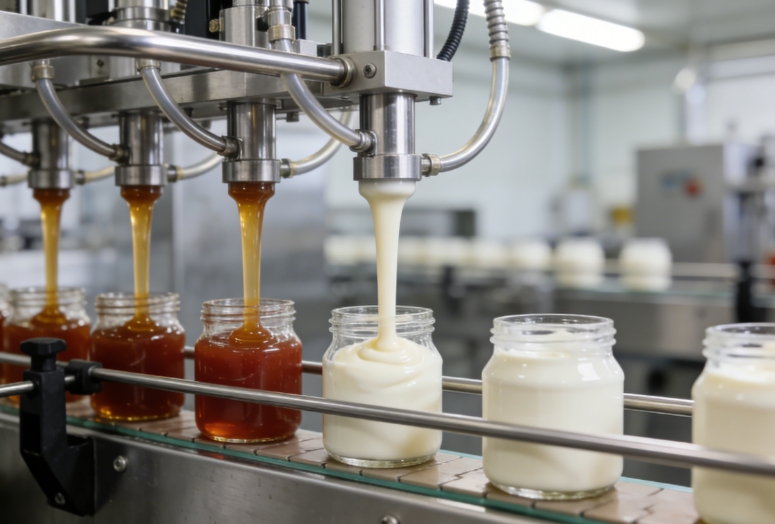
- Precise Volume Measurement: The piston ensures each container receives an exact dose of liquid, even when the fluid is highly viscous. This accuracy is critical for maintaining consistent product quality, such as filling honey jars or cosmetic creams.
- Handling a Wide Range of Viscosities: From thin juices to thick sauces and gels, the piston system can adapt to different fluid densities without compromising speed or consistency.
- Adjustable Filling Speed: Operators can adjust the piston stroke speed to accommodate product thickness. For example, thicker liquids like peanut butter require slower strokes to prevent air pockets, whereas thinner liquids like syrups can be filled quickly.
This combination of precise control and adaptability makes volumetric piston fillers versatile machines suitable for various liquid products.
Advantages for Thick and Viscous Liquids
Filling thick liquids poses challenges such as clogging, foaming, and uneven portions. Volumetric piston fillers are specifically designed to address these issues:
- Strong Suction and Smooth Dispensing: The piston’s force draws thick liquids efficiently into the cylinder and dispenses them evenly, minimizing the risk of blockages. For example, manufacturers can fill jars of tomato paste without leaving residues in the nozzle.
- Reduced Foaming and Bubble Formation: The gentle piston action avoids excessive turbulence, which is essential for products like creams, gels, or syrups where foam could affect weight and texture.
- Uniform Container Filling: Each container receives the same amount of product, ensuring brand consistency and reducing waste caused by overfill or underfill. This is particularly important for high-value items such as pharmaceutical gels.
- Minimal Product Waste: By controlling each fill precisely, manufacturers avoid excess spillage or leftover product in the machine, saving both materials and cleaning time.
These advantages demonstrate why volumetric piston fillers are often preferred over gravity or peristaltic fillers for thick liquids.
Customization Options for Diverse Industries
Volumetric piston fillers can be tailored to suit specific production needs across industries:
- Interchangeable Nozzles: Nozzles of varying diameters allow the machine to fill containers of different sizes and shapes, from small cosmetic jars to large sauce bottles.
- Material and Construction: Machines made of stainless steel or FDA-compliant materials prevent corrosion and contamination, which is crucial for food and pharmaceutical products.
- Programmable Dosing Systems: Advanced models enable operators to program the filling volume and speed for multiple product types, reducing setup time when switching from one viscous liquid to another.
- Multi-Station Configurations: Some industrial models include multiple pistons operating simultaneously, increasing throughput without sacrificing precision.
Customization ensures that a volumetric piston filler can meet the specific requirements of a wide range of products and production environments.
Maintenance and Operational Considerations
Even the best piston filler requires proper maintenance to handle viscous liquids effectively:
- Frequent Cleaning: Thick liquids tend to leave residues in cylinders and nozzles. Regular cleaning prevents contamination and ensures accurate filling. For sticky products like honey or chocolate paste, disassembly may be required daily.
- Lubrication and Part Replacement: Moving parts such as pistons and seals need periodic lubrication and inspection to maintain smooth operation and prevent wear, which could affect accuracy.
- Monitoring Product Consistency: Operators should regularly check the viscosity of products, especially in food production, as temperature or ingredient changes can alter flow and filling behavior.
- Pressure and Flow Adjustment: Proper settings must be maintained to prevent overfilling, underfilling, or nozzle dripping, which is essential when handling thick sauces or creams.
Following these practices ensures the machine remains efficient, reliable, and capable of handling viscous liquids for years.
Conclusion
In conclusion, a volumetric piston filler is highly effective for filling thick and viscous liquids due to its precise piston mechanism, strong suction, smooth dispensing, and extensive customization options. Industries ranging from food and beverage to cosmetics and pharmaceuticals benefit from consistent filling, reduced waste, and improved operational efficiency. By choosing the right model and maintaining it properly, manufacturers can handle even the most challenging viscous products with ease, accuracy, and reliability, making the volumetric piston filler an essential tool for modern production lines.
0