Utilizing laminated rice bags presents challenges for many consumers. Due to their lightweight nature, these bags are susceptible to squeezing and deformation during transportation, necessitating caution during purchase. When acquiring these bags, it is advisable to opt for reputable suppliers and diligently verify production dates and shelf life. Adherence to these measures ensures proper utilization following rice bag instructions. Lack of understanding or familiarity with can lead to potential issues, underscoring the importance of informed purchasing decisions.
- Main Material of Plastic Rice Bags: Crafted from raw materials subjected to high-temperature treatment.
- Quality Standard: Exemplary Product.
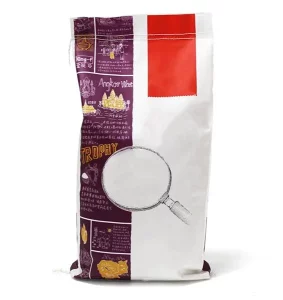
Advantages of Laminated Rice Bags
- Waterproof, Mildew-Proof, Insect-Proof, and Oil-Resistant: Laminated rice bags excel as packaging materials, boasting exceptional durability and longevity.
- Excellent Elasticity and Moisture Resistance: The material exhibits superior elasticity, ensuring ease of handling during packaging while offering robust moisture-proof and pressure-resistant properties.
- Resilient to Environmental Influences: Laminated rice bags maintain their structural integrity when used and stored, remaining unaffected by external factors and minimizing the risk of deformation, thereby upholding food safety standards.
Superior Durability and Environmental Friendliness
Laminated rice bags offer exceptional anti-extrusion and tensile properties, making them a preferred choice for packaging rice. Crafted from high-quality, eco-friendly materials, these plastic bags come in a variety of colors, shapes, and patterns. Ensuring both aesthetic appeal and functional reliability. Designed to preserve rice freshness over extended periods, these bags are resistant to moisture and impervious to damage from inclement weather conditions, safeguarding the integrity of the contents.
The production process for is straightforward, involving high-temperature treatment to prepare the rice for packaging directly into the bag. Additionally, these bags possess moisture barrier properties, enabling them to be stored in ordinary cartons without the risk of bacterial contamination.
Characterized by their non-toxic, odorless, and non-radiative composition, uphold stringent environmental standards. The production method involves utilizing plastic bags as raw materials. The final product comprises a rice bag encased within a PVC plastic covering. Following production, the bags can be stored in a temperature-controlled environment to prevent exposure to sunlight, ensuring optimal quality retention.
To maintain the quality of laminated rice bags, regular inspection is essential. Any detected issues should be promptly addressed to identify and rectify underlying causes, ensuring continued product integrity.
In summary, laminated rice bags offer a non-toxic, tasteless solution with high temperature, rain, and moisture resistance. Making them an ideal choice for environmentally conscious consumers seeking durable and reliable rice packaging options.
0