Ground engineering will always have uncertain factors like fractured rocks, unstable soils, groundwater, and restricted space during the process of construction. This may present challenges in drilling, bolting, and grouting. The selection of a reputable anchor bolt manufacturer is one of the major considerations in choosing suitable anchors to be used under these challenging conditions.
Self-drilling anchor bars and hollow bolts can be considered as solutions for difficult problems associated with ground engineering. The drilling and bolting capabilities of these anchors make them suitable for some difficult installation processes. The design process of these anchors, materials used in their production, and requirements for using them may help in technical decision-making.

Why Ground Conditions Matter in Anchoring Projects
However, the performance of the anchoring system is not determined by the strength of the steel bar alone. There are many other factors that will determine the end product of this anchoring.
Unstable Soil and Fractured Rock
Loosely bound soil and cracked rock could result in the collapse of the boreholes while drilling. This would make it challenging to keep the boreholes stable and install them successfully.
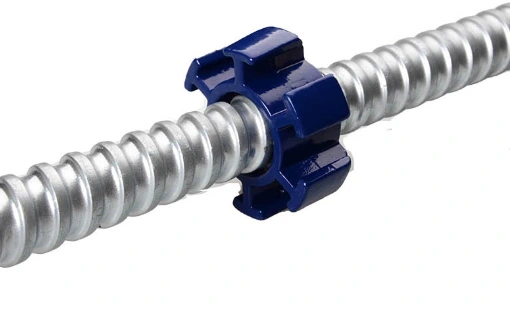
The self-drilling anchor consists of a hollow bar, which serves as the drilling and anchoring part. The drilling and grouting could be done through the use of the appropriate sacrificial drill bit and grout.
The contractor should ensure that during the supplier evaluation process, information is sought concerning bar sizes, threading, drill bit compatibility, and technical data from the anchor bolt manufacturer. The system chosen should complement the ground investigation and design engineering process.
Restricted Access and Construction Efficiency
Tunneling and slope stabilization operations under the ground may involve small spaces and complicated access methods. The reduction of unnecessary installations might be beneficial in optimizing the process.
A professional anchor bolt manufacturer should provide necessary details and components that will be required for installation procedures. Productivity in reality is dependent on drilling equipment, geological situation, operator’s abilities, and design.
How Self-Drilling Anchor Systems Work
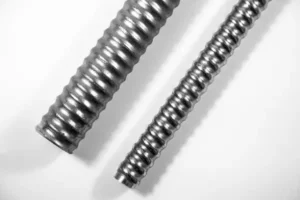
Self-drilling anchor systems have a combination of many functions integrated in one coordinated system. While designs differ from one brand to another, one common system consists of a hollow, threaded bar, drill bit, coupler, nut, bearing plate, and grout.
Drilling and Grouting Through a Hollow Bar
At the time of installation, the drill bit is fitted onto the hollow bar and drilled into the ground utilizing appropriate drilling equipment. The grout can either be injected into the center of the hollow bar during drilling or afterwards, depending on the system.
After installation and proper grouting of the system, the load is transferred to the ground using the system according to how it was designed. Several factors that determine how the system works include the size of the bar, strength of steel, the threads, properties of the grout, and the ground conditions.
A reputable anchor bolt manufacturer should always indicate the type of threads, size of the bar, and accessories. This is especially the case where replacement parts are required.
The Role of Grouting and Installation Control
The process of grouting plays an important role in most hollow anchor assemblies. Proper selection of the right kind of grout material, along with appropriate installation, will help develop a proper bond between the anchor assembly and the soil.
The contractor must make sure to follow the technical specifications that have been laid out by the manufacturer and the engineering specifications of the project. The pressure, material, curing process, quantity, and installation records must be in accordance with the approved method statement.
While an anchor bolt manufacturer can certainly supply pertinent information regarding the product, site-specific installation procedures should be defined by the engineering team.
Choosing Materials for Different Project Environments
Materials influence strength, resistance to corrosion, and adherence to project specifications. The purchaser must take into account environmental exposure and the service life expected from the product.
Carbon Steel for General Engineering Applications
Carbon steels are frequently used for anchorage systems if their tensile strength and mechanical properties satisfy project demands. The selection of carbon steel is based on loads, grade of steel, quality of manufacture, and environmental conditions.
It is necessary to determine the material grade and mechanical properties prior to purchase and not only take into account nominal bar sizes. The anchor bolt manufacturer is obliged to provide information about available material grades.
Hot-Dip Galvanized Anchor Bars
The hot-dip method entails galvanizing the steel by the use of zinc coating, which provides for corrosion protection. Galvanized self-drilling anchor bars are suitable to be used in projects requiring additional protection due to the given coating properties.
Buyers need to ensure that the coating specification, coating thickness, and documentation have been met. Additionally, the lifespan will also depend on the corrosivity of the environment.
Stainless Steel Anchor Bars
Stainless steel can be used in cases where corrosion resistance is a primary concern. However, different grades of steel exhibit varied performance depending on the specific environment and possibility of chemical reactions.
In evaluating the alternatives, it is necessary to request the anchor bolt manufacturer for material grades available and related technical data. The choice of materials should not be made under the presumption that all grades of stainless steel have similar performance levels.
Where Are Self-Drilling and Hollow Anchor Systems Used?
Different anchoring products serve different engineering purposes. Their suitability should be evaluated according to ground conditions, load requirements, and installation design.
| Application | Typical engineering requirement | Relevant product consideration |
| Tunnel support | Stabilization of surrounding ground during excavation | Self-drilling anchor bars and compatible grouting systems |
| Slope stabilization | Reinforcement of potentially unstable soil or rock | Anchor dimensions, bond conditions, and corrosion protection |
| Foundation improvement | Load transfer into suitable supporting ground | Hollow bar specifications and project-specific design |
| Underground mining | Ground reinforcement and support | Product compatibility with the approved support system |
| Corrosive environments | Durability under specified exposure conditions | Galvanized or stainless steel options, where appropriate |
For such uses, the anchor bolt manufacturer should give details that would allow the purchaser to evaluate the suitability of the chosen product. Factors that should be considered include the anticipated loads, the findings of the ground survey, the installation machinery, and the relevant engineering codes.
Common Mistakes When Purchasing Anchoring Products
Problems can arise even with the appropriate products if the specifications are not complete. The buyer needs to take care of some common concerns before ordering.
 Focusing on Price Without Comparing Specifications
Products with the same dimensions could have different steel grades, mechanical properties, thread types, coatings, and compatibility with accessories. Comparing quotes without looking into these aspects will lead to the purchase of incompatible products.
The reliable anchor bolt manufacturer should provide specifications that are clear enough for the buyer to understand whether the quoted product is compatible with his/her needs.
Overlooking Corrosion Protection
There could be durability issues if one chooses a coating or material without considering ground chemistry, moisture content, and life expectancy. It is important to set out requirements for corrosion protection before making purchases.
Ignoring Accessory Compatibility
The drill bit, coupler, nut, and bearing plate should match the selected type of the anchor system. The combination of different components may interfere with the operation of the entire set.
It is important to specify the system setup and the list of components in the quote before ordering.
Failing to Verify Quality Documentation
The material certificates, dimensional inspection sheets, and related testing reports can assist purchasers in verifying product conformance. This will depend upon the particular standard and specification of the project.
When ordering from the anchor bolt manufacturer, inquire as to what inspection procedures are carried out and what quality documents accompany the products.
What to Discuss With an Anchor Bolt Manufacturer Before Ordering
Communication between contractors and suppliers will reduce errors in specifications and quotations. Before making a request for a quotation, it is important to get ready regarding the technical specifications of the project through the discussion of the following points.
- Product configuration: To find out the kind of anchor bolt, the form of thread, dimensions, and other accessories needed.
- Material requirements: To know about the type of steel, its properties, and corrosion resistance.
- Tolerances: To see that correct tolerance levels for dimensions and threads are established.
- Certificates and testing: To find out the certificates and test results required.
- Quantity and delivery: To find out production capacity, order quantity, packing, and lead time.
- Technical assistance: To get technical information about the selected system.
By providing drawings and specification data sheets, it becomes easier for an anchor bolt manufacturer to prepare a quotation. It also assists engineers in comparing various products on a technical basis.
Conclusion
For any ground engineering projects, anchoring solutions must be selected based on the geology of the project, loading, and other considerations for installation. Self-drilling anchor bolts are recommended where the geology allows the drilling process to become easier. Galvanized and stainless steel anchor bolt manufacturers will suit different requirements regarding protection against corrosion. The use of prestressed hollow bolts is another option for engineered solutions to anchors.
In selecting an anchor bolt manufacturer, constructors should pay attention to such aspects as verifiable specifications, material traceability, compatible accessories, and quality control documentation.
0