Establishing a shoe manufacturing plant involves various cost components that potential manufacturers need to consider carefully. Understanding these basic costs is critical for budget constraints and future planning. Here’s a detailed breakdown of the primary costs associated with setting up a shoe manufacturing plant, with a focus on factory equipment, high-quality materials, and marketing strategies.

Factory Equipment
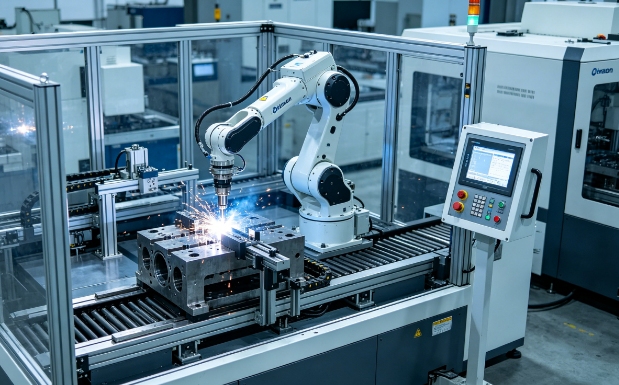
Machinery and Equipment: Investing in machinery is one of the most significant components of the shoe manufacturing plant cost. The essential equipment includes cutting machines, stitching machines, molding machines, and finishing equipment. Depending on the level of automation, these costs can vary widely. For instance, a single automated cutting machine can cost between $50,000 and $100,000. High-quality stitching machines may range from $10,000 to $30,000 each.
Technology and Automation: Incorporating advanced technology and automation can significantly impact costs but also improve efficiency and production quality. Automated systems can increase maximum production in a shorter time. For example, a fully automated production line could cost upwards of $500,000, but it can substantially reduce long-term operational expenses.
High-Quality Materials
Raw Materials: The cost of high-quality raw materials is a recurring expense in the shoe manufacturing plant cost. Premium leather can cost between $2 and $5 per square foot, while synthetic materials might range from $1 to $3 per square foot. Ensuring a consistent supply of high-quality materials is crucial for maintaining product quality and meeting market demands.
Supplier Relationships: Building strong relationships with reliable suppliers is essential for securing quality materials at competitive prices. Bulk purchasing agreements can often tighten costs through bargaining. For example, entering into a long-term contract with a leather supplier might reduce the cost per square foot by up to 10%.
Quality Control: Implementing stringent quality control measures can prevent defects and ensure that only the best products reach the market. This might involve additional costs for inspection equipment and trained personnel, but it helps in maintaining brand reputation and customer satisfaction.
Marketing Strategies
Market Research: Conducting thorough market research is essential to understand consumer preferences and market trends. This can involve costs related to hiring market research firms, conducting surveys, and analyzing data. Typically, a comprehensive market research project might cost between $10,000 and $50,000.
Brand Development: Developing a strong brand identity is crucial for standing out in the competitive shoe market. This includes creating a memorable logo, professional packaging, and a compelling brand story. Initial brand development costs can range from $20,000 to $100,000.
Advertising and Promotion: Effective marketing strategies are vital for reaching target customers and driving sales. This includes digital marketing, social media campaigns, and traditional advertising. On average, new shoe brands might spend around $50,000 to $200,000 annually on marketing activities.
Other Considerations
Licensing and Permits: Obtaining the necessary licenses and permits to operate a shoe manufacturing plant is a critical expense. This includes environmental permits, business licenses, and compliance with industry-specific regulations. These costs may vary depending on district policies but are typically budgeted between $5,000 and $20,000.
Factory Area: The cost of land and constructing the manufacturing facility varies greatly depending on location. On average, acquiring and setting up a medium-sized factory could cost between $500,000 and $1,000,000.
Upstream and Downstream Suppliers: Efficient management of upstream suppliers (raw materials) and downstream suppliers (distribution and retail) is crucial for smooth operations. Costs associated with logistics, storage, and supply chain management should be factored in, usually adding around 10-20% to overall operational costs.
Conclusion
Understanding the comprehensive shoe manufacturing plant cost is essential for anyone looking to enter the industry. By focusing on factory equipment, high-quality materials, and effective marketing strategies, along with considering other necessary expenses, potential manufacturers can create a more accurate budget and ensure a successful establishment process.
0