In modern high-tech industries, silicon wafers play a foundational role in the production of electronic devices and renewable energy systems. A silicon wafer is a thin slice of semiconductor material, typically made from highly purified silicon crystals, and serves as the base substrate for manufacturing integrated circuits, solar cells, and various microelectronic components. As global demand for electronics and clean energy continues to grow, the importance of reliable wafer quality has increased significantly. Many industries depend on a stable supply chain, often working closely with a professional silicon wafer supplier to ensure consistent performance and material quality.
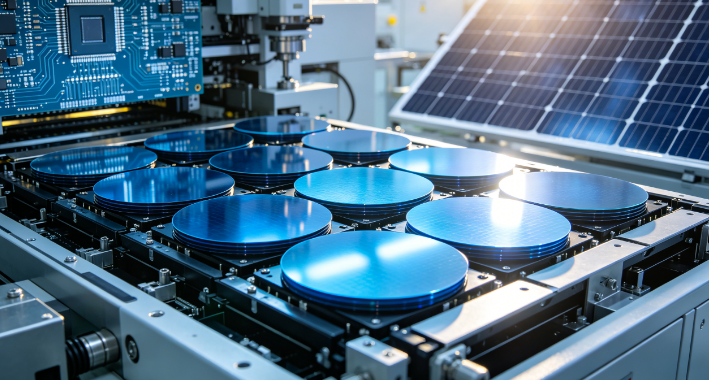
What Is a Silicon Wafer?
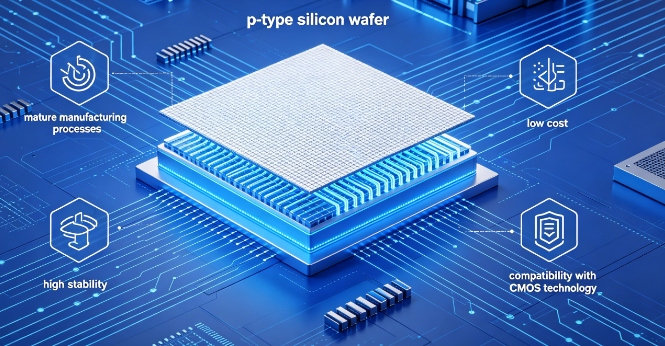
A silicon wafer is the starting material for most semiconductor-based products:
- Basic structure and composition
Silicon wafers are thin, round slices derived from single-crystal silicon ingots. These wafers are polished to an extremely smooth surface to support precise electronic fabrication. - Semiconductor properties
Silicon is widely used because it has excellent semiconductor characteristics, allowing controlled conductivity when doped with other elements like boron or phosphorus. - Standard manufacturing base
Wafers serve as the platform for building integrated circuits, where millions or even billions of transistors are etched into a single chip.
Main Applications of Silicon Wafers
Silicon wafers are used in multiple high-value industries:
- Semiconductor and electronics industry
Used in the production of microchips, processors, memory devices, and sensors that power smartphones, computers, and automotive systems. - Solar energy industry
Silicon wafers are the core material for photovoltaic cells, which convert sunlight into electricity. Monocrystalline wafers are especially popular for high-efficiency solar panels. - Industrial and medical devices
Wafers are also used in advanced sensors, medical imaging devices, and precision instruments requiring high reliability and miniaturization.
Types of Silicon Wafers and Their Characteristics
Different wafer types are designed for specific applications:
- Monocrystalline silicon wafers
Made from a single crystal structure, these wafers offer high efficiency and are commonly used in solar panels and high-performance chips. - Polycrystalline silicon wafers
Produced from multiple crystal fragments, they are more cost-effective but slightly less efficient, often used in budget solar applications. - Epitaxial and polished wafers
These specialized wafers provide ultra-smooth surfaces and enhanced electrical properties, suitable for advanced semiconductor manufacturing.
Key Factors Affecting Silicon Wafer Quality
The performance of a silicon wafer depends on several critical factors:
- Purity of silicon material
Higher purity reduces defects and improves electrical conductivity, which is essential for high-performance chips and solar cells. - Surface flatness and thickness uniformity
Precise thickness and smooth surfaces ensure accurate lithography during chip fabrication. - Crystal orientation and defect density
Low defect density and controlled crystal orientation improve yield rates and device reliability.
In many industrial supply chains, a reliable silicon wafer supplier plays a key role in maintaining these quality standards through strict manufacturing control.
Manufacturing and Supply Chain Importance
The production and distribution of silicon wafers require advanced technology and precision control:
- Crystal growth and slicing process
Silicon ingots are grown using methods such as the Czochralski process, then sliced into thin wafers using diamond wire cutting technology. - Polishing and cleaning stages
Wafers undergo chemical-mechanical polishing to achieve mirror-like surfaces, followed by ultra-clean cleaning processes to remove contaminants. - Global supply chain coordination
The semiconductor industry relies on stable sourcing and logistics, making collaboration with experienced suppliers essential for uninterrupted production.
Conclusion
A silicon wafer is a critical foundation material used in semiconductors, electronics, solar energy systems, and advanced industrial applications. Its high precision, purity, and structural quality directly influence the performance of final products. From smartphones to solar panels, silicon wafers enable much of today’s modern technology. By working with a dependable silicon wafer supplier, manufacturers can ensure stable quality, efficient production, and long-term reliability in an increasingly technology-driven world.
0