Control motion solutions are systems and technologies used to manage, regulate, and optimize the movement of machinery, equipment, or robotic systems in industrial and commercial applications. Understanding control motion solutions is crucial for engineers, manufacturers, and system designers, as these solutions directly impact productivity, precision, and safety. In this article, we explore the principles, types, applications, and benefits of control motion solutions, highlighting their importance in modern automation.

Control Motion Solutions: Definition and Principles
- What Are Control Motion Solutions?
Control motion solutions refer to a set of technologies and methods designed to control the speed, position, torque, and direction of mechanical systems. These solutions integrate sensors, controllers, actuators, and feedback systems to achieve precise and repeatable movement. By implementing control motion solutions, manufacturers can optimize production efficiency and maintain high-quality standards in automated processes.
- Key Principles of Motion Control
The core principles behind control motion solutions involve accurate measurement, feedback, and correction. Sensors collect real-time data on speed, position, or torque, and controllers analyze this information to adjust motor or actuator output. This closed-loop system ensures smooth and precise motion while reducing errors and minimizing mechanical wear.
Types and Components
- Types of Control Motion Solutions
There are several types of control motion solutions, including servo systems, stepper motor systems, and pneumatic or hydraulic motion control systems. Servo systems provide high-precision position and speed control for robotic arms and CNC machines. Stepper motor systems are often used for applications requiring simple, repeatable motion. Pneumatic and hydraulic solutions are suitable for high-force applications in manufacturing and material handling.
- Components of Control Motion Solutions
Key components of control motion solutions include actuators, controllers, sensors, and communication interfaces. Actuators convert electrical signals into mechanical movement, while controllers manage the operation of the actuators based on programmed commands. Sensors provide feedback on motion parameters, ensuring accuracy and stability. Communication interfaces allow the integration of these components into larger automated systems.
Applications of Control Motion Solutions:
- Industrial Automation
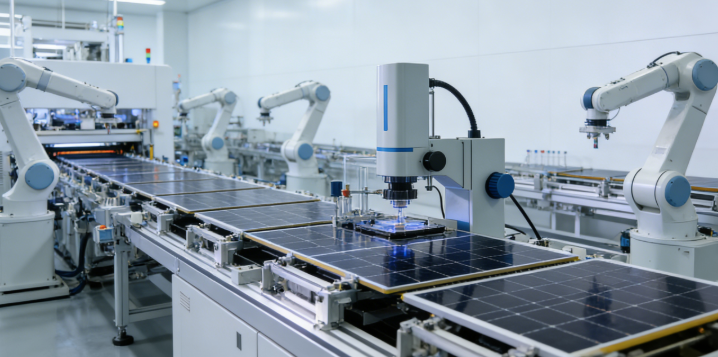
In industrial settings, control motion solutions are essential for assembly lines, packaging machines, CNC machining, and robotics. Precise motion control improves production efficiency, reduces material waste, and ensures consistent product quality. Modern factories rely heavily on control motion solutions to meet the demands of mass production while maintaining flexibility for custom manufacturing.
- Medical and Laboratory Equipment
Control motion solutions are also used in medical devices and laboratory automation. For example, robotic surgical systems, automated sample handling, and precision dosing machines require accurate and reliable motion control. Implementing control motion solutions in these applications enhances safety, efficiency, and performance.
- Transportation and Automotive
The automotive industry uses control motion solutions in robotic assembly lines, autonomous vehicles, and electric vehicle motor control. These systems manage complex sequences of movement, ensuring precise operation, reduced energy consumption, and improved safety.
Control Motion Solutions: Advantages and Benefits
- Improved Accuracy and Efficiency
One of the main advantages of control motion solutions is enhanced accuracy and operational efficiency. By precisely controlling the movement of machinery, these solutions minimize errors, reduce downtime, and increase production output.
- Flexibility and Adaptability
Modern control motion solutions allow for flexible manufacturing processes. Programmable controllers can adapt motion sequences to different tasks or products, enabling manufacturers to switch production lines quickly without extensive reconfiguration.
- Enhanced Safety
Control motion solutions contribute to workplace safety by preventing collisions, controlling speed, and monitoring operational limits. Automated safety protocols reduce the risk of accidents, protecting both personnel and equipment.
Conclusion
Control motion solutions are a cornerstone of modern automation, providing precise, reliable, and adaptable control of machinery and systems. From industrial manufacturing to medical equipment and automotive applications, these solutions enhance efficiency, safety, and product quality. With ongoing advances in IoT, AI, and energy-efficient technologies, control motion solutions will continue to play a critical role in shaping the future of automated systems worldwide.
0