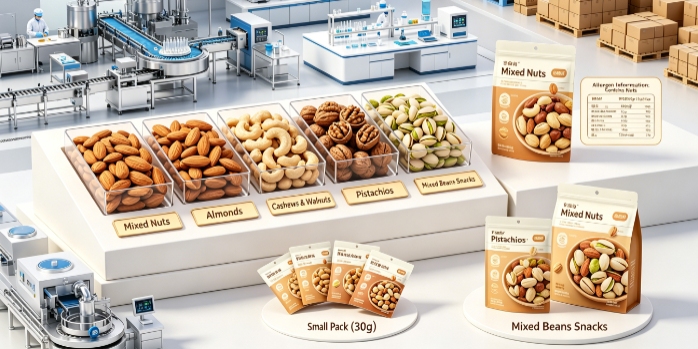
Food ingredient suppliers are crucial to the safety and quality of our food products. These suppliers play a key role in ensuring that the ingredients they supply meet food safety standards, which is essential to protect consumers and maintain product consistency.

Managing Allergen Risks
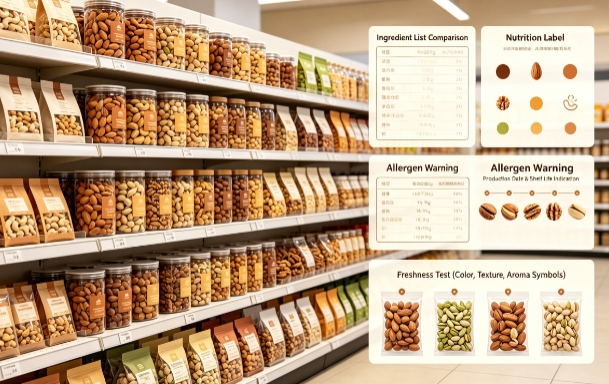
Allergens are one of the biggest concerns in food safety, and it is crucial that food ingredient suppliers ensure that their ingredients do not contain undeclared allergens, as they can pose a serious risk to consumers’health.
Food ingredient suppliers work to prevent allergen cross-contamination during the handling, storage, and processing of ingredients.
- This includes setting up dedicated production lines for allergen-free ingredients, conducting thorough cleaning procedures between batches, and regularly testing for allergens.
- Additionally, suppliers provide detailed ingredient documentation, including certificates of analysis (COA), which indicate whether their products are free from specific allergens.
- By managing allergens carefully, food ingredient suppliers help manufacturers ensure that the final products meet food safety standards and reduce the risk of allergic reactions in consumers.
Traceability and Transparency
- Traceability is a fundamental aspect of food safety, and food ingredient suppliers contribute to this by maintaining clear records of ingredient sourcing, production, and distribution.
- With increasing demand for transparency, consumers expect to know the origin of the ingredients in their food products.
- This has led to food ingredient suppliers focusing on improving traceability to ensure that they can quickly identify and address any issues that may arise in the supply chain.
- When food ingredient suppliers track their ingredients, it allows them to pinpoint the source of any potential contamination, ensuring a quicker and more efficient recall process if needed. This traceability is not only critical for safety but also helps maintain consumer trust, as brands can prove their commitment to quality and transparency.
- By providing full transparency on where and how ingredients are sourced, food ingredient suppliers help food manufacturers ensure the safety of their end products.
Regular Testing and Inspections
- Another important way food ingredient suppliers contribute to food safety is through regular testing and inspections.
- Testing ensures that ingredients meet the required safety and quality standards before they reach food manufacturers.
- Food ingredient suppliers perform microbiological, chemical, and sensory tests to check for contaminants such as bacteria, mold, or pesticide residues. These tests help ensure that the ingredients are safe for use in food production and are free from harmful substances.
- In addition to product testing, suppliers also inspect their production facilities to maintain compliance with food safety regulations.
- By adhering to Good Manufacturing Practices (GMP) and other industry standards, suppliers can reduce the risk of contamination and ensure that the processing of food additives is done in a clean, safe environment.
- Regular testing and facility inspections contribute to consistent safety standards and support the overall integrity of the food supply chain.
Safe Storage and Transportation
- The safety of food ingredients doesn’t end with production; proper storage and transportation are just as important.
- Food ingredient suppliers take steps to ensure that food additives are stored in appropriate conditions to maintain their safety and quality.
- This includes controlling temperature and humidity levels during storage and using appropriate packaging materials to protect the ingredients from contamination.
- Transportation is another critical step where food ingredient suppliers play a significant role.
- Suppliers ensure that their products are transported in a manner that prevents contamination, such as using sealed containers, clean transport vehicles, and maintaining proper handling protocols during transit.
- By maintaining safe storage and transportation practices, food ingredient suppliers help food manufacturers receive safe, high-quality ingredients that comply with food safety standards.
Meeting Changing Regulations
Food safety regulations are constantly evolving, and food ingredient suppliers are constantly adapting their practices to meet new requirements or address emerging risks. This may involve adjusting labeling requirements, managing new allergens, or implementing more stringent testing protocols.
By staying informed of regulatory changes, food ingredient suppliers can ensure their products remain compliant with current laws and regulations. This adaptability helps food manufacturers stay compliant and avoid costly fines or product recalls.
Conclusion
Food ingredient suppliers are vital players in the food safety landscape, particularly when it comes to supplying food additives.
They ensure the safety of their ingredients through stringent quality control, allergen management, traceability, regular testing, and adherence to food safety regulations.
0