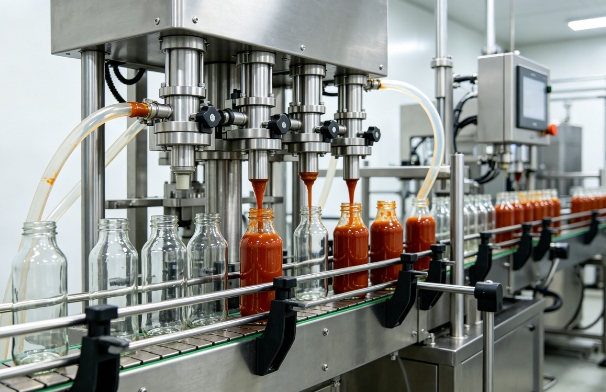
In modern manufacturing, filling equipment plays a critical role in industries such as food and beverage, pharmaceuticals, and chemicals. Proper maintenance of these machines is essential for ensuring consistent product quality, minimizing downtime, and maximizing production efficiency. This article provides a comprehensive guide on how to maintain filling equipment effectively, extending its lifespan while reducing operational risks.
1. Regular Cleaning
- Clean immediately after production: After each production cycle, clean the exterior, pumps, pipelines, and nozzles with warm water or a suitable cleaning solution to prevent residue buildup, bacterial growth, corrosion, or clogging.
- Disassemble for thorough cleaning: Remove and clean hard-to-reach components such as pumps, valves, and conveyor pipes according to the manufacturer’s instructions to ensure no product residue remains inside.
- Use food-grade cleaners: For food, beverage, or pharmaceutical applications, always use industry-approved, food-safe cleaning agents to avoid contamination.
- Maintain cleaning records: Keep a log of cleaning schedules, methods, and responsible personnel. This not only tracks equipment hygiene but also supports compliance with safety and quality standards.
2. Check Key Components
- Pump and valve inspection: Regularly check pumps, valves, and seals for leaks, wear, or abnormal noises. Replace any worn or damaged components promptly to prevent production stoppages.
- Sensors and control systems: Ensure sensors and automation systems function accurately, preventing errors in filling volumes or machine shutdowns.
- Replace worn parts: Rubber gaskets, O-rings, and other high-wear components should be replaced according to maintenance schedules to prevent leaks or mechanical failures.
- Implement a maintenance schedule: Document all inspection tasks and assign responsibility to ensure every component is properly monitored and maintained.

3. Lubrication and Mechanical Maintenance
- Follow manufacturer recommendations: Use the specified lubricants for gears, bearings, pistons, pumps, and other moving parts. Proper lubrication reduces friction and extends machine life.
- Avoid over-lubrication: Excess lubricant can attract dust or contaminate products, while insufficient lubrication increases wear. Apply the correct amount as instructed.
- Focus on critical components: Pay special attention to high-stress parts such as pistons, gear drives, and pump bearings to ensure smooth operation.
- Keep lubrication records: Log the time, type, and quantity of lubricant applied to track wear patterns and optimize maintenance intervals.
4. Regular Calibration
- Liquid filling machines: Measure pump output, flow meters, and valve accuracy regularly to ensure each batch meets volume standards and reduces material waste.
- Powder filling machines: Weigh each fill to confirm errors remain within acceptable limits, maintaining product consistency and customer satisfaction.
- Maintain calibration records: Document the results, responsible personnel, and any adjustments made to monitor long-term equipment performance.
- Optimize production efficiency: Regular calibration reduces rework, minimizes product loss, and improves overall production line efficiency.
5. Train Operators Properly
- Master operation procedures: Train staff on starting, operating, stopping, and emergency shutdown processes to prevent human error.
- Enable routine inspections: Operators should be able to detect leaks, unusual noises, or abnormal pump or valve performance and report issues promptly.
- Reduce equipment damage: Proper operation decreases the risk of breakdowns, extending the equipment’s service life.
- Promote safety: Ensure operators wear protective gear and follow safety guidelines to prevent accidents.
6. Maintain Detailed Maintenance Records
- Log maintenance activities: Include cleaning, inspection, lubrication, calibration, personnel, and any issues found to create a transparent maintenance process.
- Analyze failure causes: Use the records to identify patterns and prevent recurring issues by optimizing maintenance schedules.
- Optimize maintenance cycles: Adjust inspection and maintenance intervals based on historical data to reduce unexpected downtime.
- Improve management efficiency: Comprehensive logs support production management, audits, quality control, and equipment upgrades.
Conclusion
Proper and systematic maintenance of filling equipment is vital for ensuring smooth operations, consistent product quality, and long-term cost efficiency. By implementing regular cleaning, component inspections, lubrication, calibration, operator training, and detailed record-keeping, machines can operate reliably, reduce downtime, and extend service life.
Well-maintained filling equipment also minimizes material waste, improves production efficiency, and enhances overall operational safety. Companies should integrate filling machine maintenance into daily management routines, establish standardized procedures, and use maintenance data to optimize production strategies.
0