Double-sheathed cables offer numerous advantages. In outdoor applications, they provide better protection against environmental challenges such as UV radiation, weathering, and water immersion, making them an ideal choice for installations in harsh weather conditions. This article will introduce the advantages of double-sheathed cables.

Better Electrical Insulation and Safety
The double sheathed cable provides a heightened level of electrical insulation, which is critical for preventing short circuits and electrical faults. This dual insulation structure reduces the risk of electrical leakage, grounding failures, and power outages.
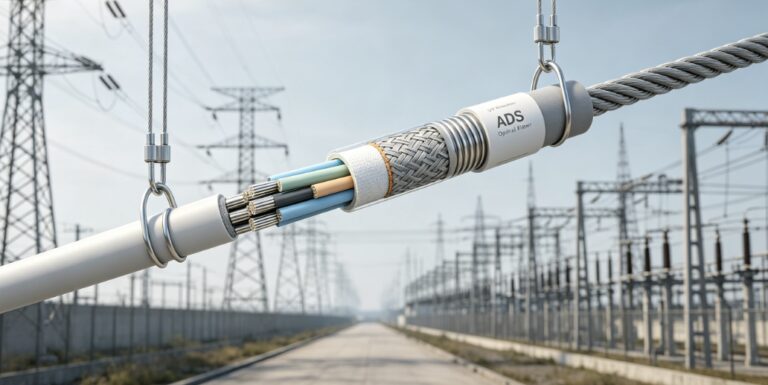
- The inner sheath acts as a protective barrier around the conductor, ensuring that moisture, chemicals, and other environmental factors do not interfere with the electrical flow.
- The outer sheath acts as an additional safeguard, offering further protection from physical damage, which could compromise the conductor’s insulation.
The combination of both sheaths creates an added layer of safety for electrical systems, particularly in sensitive environments such as data centers, hospitals, and industrial plants, where electrical integrity is essential.
Increased Resistance to Mechanical Damage
In comparison to single sheathed cables, double sheathed cables offer far superior resistance to physical damage. They are designed to withstand forces such as crushing, cutting, and stretching, making them more suitable for applications where cables are subject to movement or high traffic.
- For instance, in areas where cables are installed underground or in high-traffic zones, mechanical stress is inevitable. The dual sheath absorbs these stresses, preventing cuts and abrasions that could lead to cable failure.
- In settings where cables are exposed to heavy machinery or vehicles, the double sheath provides an extra layer of protection against accidental damage.
This makes double sheathed cables a reliable choice for industries like construction, transportation, and heavy machinery, where durability is crucial.
Superior Chemical and Environmental Resistance
One of the key benefits of double sheathed cables is their resistance to chemicals, oils, and other harsh environmental factors.
The outer sheath is typically made from materials that can resist corrosive substances, making these cables suitable for industrial environments where chemicals are commonly used.
- In industries like petrochemical plants, chemical factories, and oil rigs, cables are often exposed to hazardous substances that can damage their insulation.
- The double sheath adds a layer of protection against chemical spills, oils, solvents, and other corrosive agents. This not only helps extend the life of the cables but also ensures continuous, reliable operation in high-risk environments.
Moreover, the outer sheath of these cables is often UV-resistant, protecting the cables from degradation due to sunlight, which is especially important for outdoor installations.
Fire Resistance and Safety Features
Safety is a top priority when it comes to electrical systems, and double sheathed cables provide an added layer of fire resistance.
Many double sheathed cables are manufactured with fire-retardant or fire-resistant materials, reducing the risk of fire hazards in the event of an electrical fault.
- In particular, in high-rise buildings, commercial spaces, and industrial settings where large amounts of electricity are used, fire safety is crucial.
- The outer sheath of double sheathed cables can act as a barrier to slow the spread of fire, giving individuals more time to evacuate and helping to protect valuable equipment and infrastructure.
- This fire-resistant property makes double sheathed cables essential in environments where safety standards are strict and fire prevention is a priority.
Conclusion
In industries where durability, flexibility, and safety are critical, double sheathed cables provide a reliable solution that can withstand tough conditions and minimize the risk of failures. Their design addresses many common issues faced by traditional cables, making them an indispensable component in modern electrical systems.
0