In modern industrial, electronic, and automation systems, a fast connector has become an essential component. With the rise of smart manufacturing, robotics, and high-tech electronic devices, there is an increasing demand for faster installation, higher reliability, and easier maintenance. Fast connectors allow secure and stable connections to be made in a very short time, whether for electrical, telecommunication, fiber optic, or hydraulic systems. This significantly improves operational efficiency and reduces the complexity of manual operations.
What Is a Fast Connector?
A fast connector is a device designed to quickly connect and disconnect interfaces. It is widely used in electrical, fiber optic, hydraulic, and pneumatic systems. Compared to traditional connectors, fast connectors have several key advantages:
- Quick Installation
Fast connectors are designed to be installed without complex tools. For example, an electrical fast connectorcan transmit current immediately upon insertion, while a fiber optic fast connector allows direct fiber-to-fiber connection for high-speed data transfer. This design is particularly valuable in large-scale production or emergency maintenance, significantly reducing installation and downtime. - Compact Design
Fast connectors are usually small and lightweight, making them ideal for space-constrained environments. Compact designs are essential in automotive applications, industrial robots, and other devices where space is limited, while still ensuring secure and reliable connections. - High Reliability
High-quality fast connectors maintain excellent electrical or mechanical performance even under frequent mating and unmating cycles. This prevents contact failure, power loss, or fluid leakage, ensuring safe and reliable device operation over time. - Versatile Applications
Fast connectors can be used for electrical wiring, fiber optics, hydraulic lines, and pneumatic systems. Whether it is high-speed data transmission or high-pressure fluid transfer, there are suitable fast connector types for different industrial needs.
By combining speed, compactness, reliability, and versatility, fast connectors have become a key component in modern industrial and electronic systems.

How Does a Fast Connector Work?
The operation of a fast connector relies on two main mechanisms: mechanical locking and electrical or fluid contact.
- Mechanical Locking Mechanism: Fast connectors typically use springs, latches, or twist-lock mechanisms that allow the connector to lock securely upon insertion without additional tools. This design ensures a stable connection and prevents loosening or detachment due to vibrations or operator error. In automotive engines or industrial robots, reliable mechanical locking is critical for long-term performance.
- Electrical or Fluid Contact: Electrical fast connectors transmit current through metal contacts, often plated with gold or corrosion-resistant materials to maintain low contact resistance and long-term stability. Hydraulic or pneumatic fast connectors use seals, such as O-rings, to prevent fluid leakage while allowing efficient flow. This ensures that devices operate properly under high-pressure or high-flow conditions.
The combination of mechanical locking and efficient contact allows fast connectors to deliver quick, safe, and reliable connections while supporting repeated use.
Applications of Fast Connectors
Fast connectors are widely used across many industries, including:
- Automotive Industry
Used for sensors, batteries, motors, lighting systems, and infotainment. Fast connectors reduce assembly time and improve vehicle maintenance efficiency. - Telecommunications
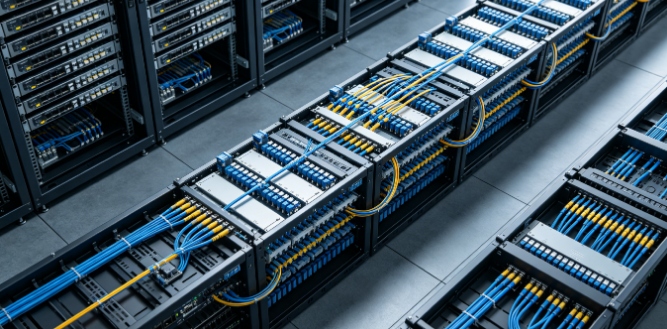
Fiber optic fast connectors enable high-speed data transfer and simplify fiber installation and maintenance, especially in data centers and communication networks. - Industrial Automation
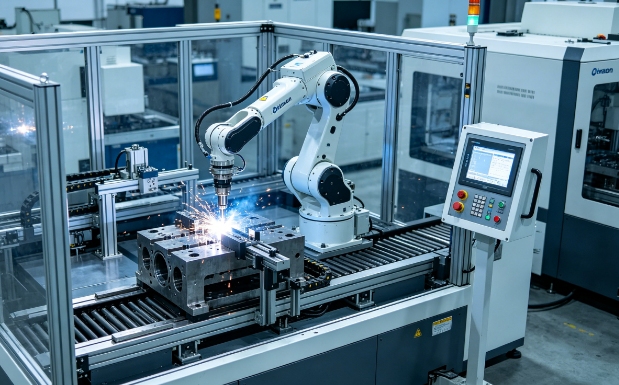
In robotics, production lines, and modular automation systems, fast connectors allow rapid disassembly and replacement of components, enhancing maintenance and upgrade efficiency. - Consumer Electronics and Smart Homes
Fast connectors simplify the installation of smart home devices and appliances while ensuring stable electrical or signal transmission.
These applications show that fast connectors can improve efficiency, reduce downtime, and lower maintenance costs in a wide range of systems.
Key Considerations When Choosing a Fast Connector
Selecting the right fast connector requires careful evaluation of several factors:
- Operating Environment
Consider temperature tolerance, water resistance, and corrosion resistance. For outdoor or humid environments, choose connectors with appropriate IP ratings to ensure long-term reliability. - Current or Fluid Pressure Rating
Ensure the connector can handle the maximum electrical load, voltage, or fluid pressure. Under-rated connectors may cause overheating, arcing, or leakage. - Frequency of Mating and Unmating
For high-frequency use, select a durable fast connector to maintain performance over repeated cycles. - Size and Compatibility
The connector should match the device’s existing interfaces in size, shape, and type. Avoid the need for extra adapters or modifications that could increase cost and complexity.
By carefully considering these factors, you can select a fast connector that is both reliable and cost-effective, maximizing its lifespan and performance.
Conclusion
In conclusion, a fast connector plays a vital role in modern industrial and electronic systems. It not only simplifies connection processes and improves device efficiency but also maintains high reliability and stability over long-term use. Whether in automotive manufacturing, communication networks, industrial automation, or smart home systems, fast connectors can significantly reduce downtime, lower maintenance costs, and enhance overall system safety and efficiency.
0