With the rapid adoption of fiber-optic broadband, the FTTH Patch Cable has become an essential connectivity component for both home and enterprise networks. Many users often wonder, “What is an FTTH Patch Cable, and what are its application scenarios?” This article provides a detailed explanation of FTTH Patch Cables, including their definition, key features, and common applications, helping you understand why this component is crucial for modern fiber-optic networks.
What Is an FTTH Patch Cable?
An FTTH Patch Cable, also known as a fiber optic patch cord, is a specialized cable used to connect fiber optic network devices. It typically links optical network terminals (ONTs) to routers, switches, or other network devices, ensuring efficient transmission of optical signals. FTTH stands for “Fiber To The Home,” meaning fiber-optic lines reach directly into residential homes, while the patch cable acts as a bridge, connecting network endpoints to devices. Using high-quality FTTH Patch Cables allows users to enjoy faster network speeds, stable signal transmission, and lower latency, which is especially important for HD video streaming, online gaming, and large data transfers.
Key Features of FTTH Patch Cables
- High-speed transmission: Supports gigabit and even 10-gigabit networks, meeting the demands of modern home and enterprise internet usage.
- Low signal loss: Made from premium fiber materials and precision manufacturing. FTTH Patch Cables minimize insertion loss and return loss for stable signal performance.
- Variety of connectors: Common connector types include SC, LC, and FC, offering compatibility with various network devices.
- Flexible installation: Compact and highly flexible, suitable for home, office, and data center fiber layouts, making installation straightforward.

Main Application Scenarios of FTTH Patch Cables
FTTH Patch Cables are widely used across multiple environments, including home broadband networks, enterprise LANs, data centers, and fiber optic projects.
- Home Broadband Networks
In residential fiber-optic setups, FTTH Patch Cables connect ONTs to routers, set-top boxes, or Wi-Fi devices. Using high-quality cables ensures smooth HD video streaming, low-latency online gaming, and simultaneous high-speed internet for multiple devices. In modern smart homes, a stable FTTH Patch Cable connection is essential for the seamless operation of smart devices.
- Enterprise Local Area Networks (LANs)
In enterprise environments, FTTH Patch Cables are used to connect fiber switches, servers, and workstations. High-performance FTTH Patch Cables enable fast data transfers, reliable video conferencing, and smooth cloud-based operations, ensuring network efficiency and stability across the organization.
- Data Centers
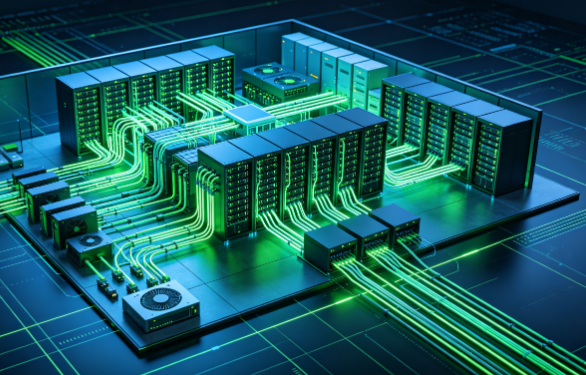
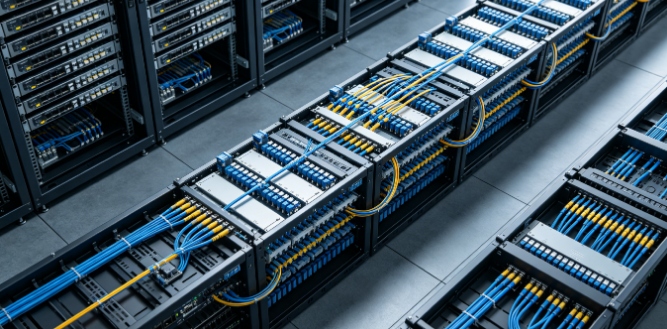
Data centers demand high-speed, stable, and reliable fiber connections. FTTH Patch Cables are used to connect servers, fiber distribution frames, and core switches, enabling efficient data transfer, reducing signal interference, and minimizing packet loss. This ensures the data center operates at optimal network performance.
- Fiber Optic Projects and ISPs
In fiber installation projects and broadband deployment, FTTH Patch Cables are essential for connecting end-user terminals and network equipment. They ensure that optical signals reach residential and commercial users with minimal signal loss, improving broadband stability and reducing maintenance costs for service providers.
How to Choose the Right FTTH Patch Cable
Selecting the appropriate FTTH Patch Cable involves considering length, connector type, fiber type, and quality.
- Cable length: Choose a length suitable for your fiber layout to avoid excess slack or cables that are too short.
- Connector type: Common types include SC, LC, and FC; choose one compatible with your network devices to ensure proper signal transmission.
- Fiber type: Single-mode (SM) fibers are suitable for long-distance transmission, while multi-mode (MM) fibers are ideal for short-distance or residential networks.
- Quality and brand: High-quality FTTH Patch Cables have low insertion loss, stable performance, and a longer lifespan. Opt for trusted brands or certified products for reliability.
Choosing the right FTTH Patch Cable ensures a stable network experience. Reduces signal interference and maximizes the overall performance and lifespan of your fiber-optic network.
Usage and Maintenance Tips
To ensure long-term performance of FTTH Patch Cables, follow these best practices:
- Avoid bending or pulling: Fiber optic cables are fragile, and bending or pulling can cause breaks or signal degradation.
- Regularly clean connectors: Dust and debris can affect signal quality; clean connectors with appropriate tools regularly.
- Inspect and replace when necessary: If network latency increases or signals become unstable, check for cable damage and replace the FTTH Patch Cable
- Organized cabling: Keep cables neat and avoid tangling to reduce interference and simplify maintenance.
Proper use and maintenance of FTTH Patch Cables significantly enhance network stability, speed, and longevity, ensuring efficient operation in homes, offices, and data centers.
Conclusion
In summary, the FTTH Patch Cable is an indispensable component in modern fiber-optic networks, widely applied in homes, enterprises, data centers, and fiber optic projects. By choosing the right FTTH Patch Cable, using it correctly, and maintaining it properly, users can enjoy fast, stable. And low-latency network connections, supporting today’s high-demand internet applications and delivering reliable performance over the long term.
0