S-shaped bonsai trees are highly admired for their elegant curves and unique shape. These bonsai require careful pruning and scientific care to maintain their characteristic S-shaped lines. However, even experienced enthusiasts may face problems if they neglect the plant’s health, which can lead to weakening or even death. Recognizing the signs of an unhealthy S-shaped bonsai tree is crucial for taking timely action. This article explains the most common signs of poor health in S-shaped bonsai trees and guides to help you protect your plant.
1. Yellowing or Falling Leaves
Leaves are a primary indicator of an S-shaped bonsai tree’s health. If the leaves start to turn yellow, wilt, or fall off excessively, it usually signals stress. Common causes include improper watering, insufficient soil nutrients, uneven light exposure, or pest and disease infestation. Yellowing often begins on the outer or lower leaves of the tree and can gradually spread if not addressed.
Key Considerations:
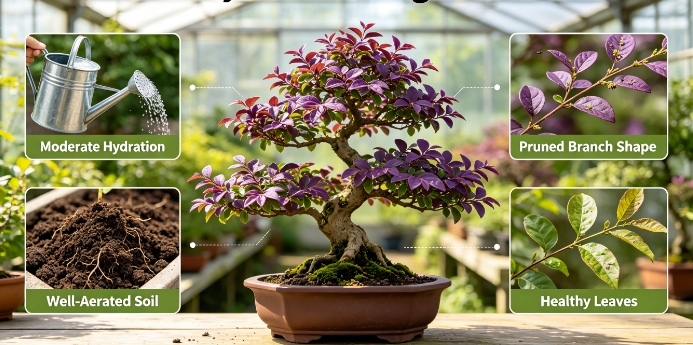
- Watering Management: Check whether you are watering too much or too little. S-shaped bonsai trees should not sit in waterlogged soil, nor should they dry out excessively. Overwatering can suffocate roots and cause yellowing leaves, while underwatering can cause premature leaf drop.
- Soil Drainage: Ensure your soil has good drainage. Using well-aerated bonsai soil or adding a layer of fine gravel on the surface can prevent waterlogging.
- Pest and Disease Inspection: Carefully examine leaves for holes, spots, or white powdery substances. Treat pests or fungal diseases promptly using safe methods to prevent the spread and protect the entire plant.

2. Dry or Soft Trunk and Branches
The trunk and branches of an S-shaped bonsai tree are not only crucial for aesthetic shape but also serve as an important health indicator. Dry, cracked, or soft branches suggest that nutrient transport within the plant is impaired, often due to root damage or fungal infection. Dry branches lose their sheen and darken in color, while soft branches may emit a rotting smell, indicating a serious condition.
Recommendations:
- Prune Dry Branches: Remove dry or diseased branches to reduce nutrient consumption and prevent the spread of pathogens.
- Check the Roots: Carefully inspect the roots for rot or darkening. If problems are detected, trim affected roots and replace the soil with fresh, sterile soil.
- Maintain Proper Humidity: Adequate air humidity and ventilation help prevent fungal infections and keep branches healthy.
3. Slow or Stagnant Growth
Healthy S-shaped bonsai trees show steady growth with new shoots and leaves according to seasonal changes. If your bonsai has not produced new shoots for a long time, or if new leaves develop slowly or appear dull, this may indicate a lack of nutrients, insufficient light, or restricted root growth. Prolonged stagnation not only affects appearance but can also weaken the entire plant.
Solutions:
- Adjust Light Exposure: S-shaped bonsai require adequate sunlight to perform photosynthesis. Insufficient light can result in small leaves and stunted growth. Adjust the bonsai’s position according to seasonal sunlight, while avoiding direct scorching light.
- Proper Fertilization: Use slow-release or liquid bonsai fertilizers, adjusting the amount according to growth stages and seasons. This ensures proper nutrition without overloading the roots.
- Pruning Strategy: Trim old or weak branches to focus nutrients on new growth, promoting vitality while maintaining the S-shaped curve.
4. Abnormal Roots
Roots are the foundation of an S-shaped bonsai tree’s growth. If your bonsai tilts, becomes unstable, or the soil dries too quickly, this may indicate root damage or disease. Healthy roots are firm, white, and flexible, capable of effectively absorbing water and nutrients. Root rot or tangled roots directly impact plant growth and overall shape.
Inspection and Care:
- Examine Roots: Gently remove the bonsai from its pot to check for rot, darkened roots, or foul smells.
- Trim Damaged Roots: Cut away decayed or dead roots to allow healthy roots to thrive.
- Replace Soil: Use well-draining, aerated soil to ensure roots remain healthy and can absorb nutrients effectively.
5. Deformed or Imbalanced Shape
The beauty of an S-shaped bonsai tree lies in its graceful curves and balanced proportions. If the tree suddenly leans, branches droop, or curves appear unnatural, this may result from uneven branch growth, insufficient support, or weakened roots. Failure to correct these issues in time not only affects aesthetics but can also cause further health problems.
Recommendations:
- Support the Shape: Use bamboo stakes or thin wires to stabilize branches and maintain the S-shaped curve.
- Prune Strategically: Prune branches to balance the overall growth and ensure nutrients are evenly distributed.
- Regular Observation: Monitor the tree’s posture frequently and adjust supports or pruning as needed to maintain both health and visual appeal.
Conclusion
S-shaped bonsai trees are stunning and unique, but their health relies heavily on proper care and environmental conditions. By closely observing leaves, branches, roots, and overall growth, you can detect health problems early and take effective measures. Maintaining proper light, watering, fertilization, and pruning routines is key to keeping your S-shaped bonsai tree healthy and beautiful. Correct care not only prolongs the life of your bonsai but also ensures that its signature S-shaped curves remain elegant and eye-catching.
0