The elevator hall call button is one of the most frequently used components in any building with vertical transportation. Whether in offices, residential towers, hotels, or shopping centers, people interact with it every day. Even though it looks simple, the elevator hall call button plays a key role in passenger flow, waiting efficiency, and overall elevator performance.
What Is An Elevator Hall Call Button?
An elevator hall call button is installed outside the elevator car, usually on each floor near the elevator doors. 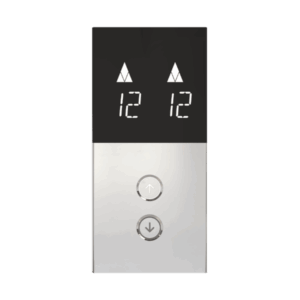 Its main purpose is to allow passengers to signal their intention to travel up or down. Once pressed, the signal is sent to the elevator control system, which then assigns a car to respond.
In modern buildings, the elevator hall call button is no longer just a mechanical switch. It often includes:
- Illuminated indicators to confirm the call
- Directional arrows for up and down travel
- Durable surfaces designed for frequent use
This simple interaction sets the entire elevator journey in motion.
How The Elevator Hall Call Button Affects Waiting Time
Waiting time is one of the most discussed topics in elevator usage, and the elevator hall call button has a direct impact on it. When pressed, the button communicates with the control system to optimize car dispatch.
This affects waiting efficiency in several ways:
- Clear input helps the system understand passenger demand
- Directional buttons reduce unnecessary stops
- Visual feedback reassures users that their request is registered
In high-traffic buildings, even a small delay caused by unclear or unresponsive buttons can lead to congestion.
Role In Passenger Experience
The elevator hall call button shapes the first impression of an elevator system. Before passengers step into the car, their experience begins at the hallway panel.
A well-designed elevator hall call button improves user experience by:
- Being easy to locate and reach
- Offering clear symbols or text
- Responding instantly when pressed
If the button feels unresponsive or confusing, users may press it repeatedly, creating unnecessary signals and frustration.
Materials And Durability In Daily Use
Because the elevator hall call button is touched by hundreds or even thousands of people daily, durability is critical. Manufacturers focus on materials that resist wear while maintaining a clean appearance.
Common design considerations include:
- Scratch-resistant metal or reinforced plastic surfaces
- Sealed components to protect internal circuits
- Long-lasting LED indicators
In busy commercial buildings, durability directly affects maintenance costs and system reliability.
Integration With Modern Elevator Systems
Today’s elevator hall call button often works as part of a broader intelligent system. Instead of acting alone, it communicates with sensors, displays, and control algorithms.
Modern integration can include:
- Connection to destination control systems
- Synchronization with digital floor displays
- Compatibility with access control features
This integration allows the elevator hall call button to support smoother traffic flow, especially during peak hours.
Accessibility And User-Friendly Design
Accessibility has become a key focus in elevator design, and the elevator hall call button reflects this trend. Designers aim to make buttons usable for people of different heights and abilities.
Common accessibility features include:
- Proper mounting height for wheelchair users
- Tactile symbols or raised arrows
- Clear visual contrast for better visibility
These features help ensure that the elevator hall call button can be used comfortably by all passengers.
Why It Remains A Critical Component
Even with advancements like voice control and mobile-based elevator calls, the elevator hall call button remains essential. It provides a reliable, straightforward way to interact with the elevator system.
Its continued importance comes from:
- Simplicity and universal understanding
- Minimal learning curve for users
- Reliable operation without extra devices
Some manufacturers, such as GOTS Elevator in specific product lines, continue refining hall call button designs to balance durability, clarity, and system compatibility.
Conclusion
As elevator systems continue to evolve, the elevator hall call button remains a key interface between people and technology. Its design, responsiveness, and reliability will continue to shape everyday vertical transportation experiences.
0